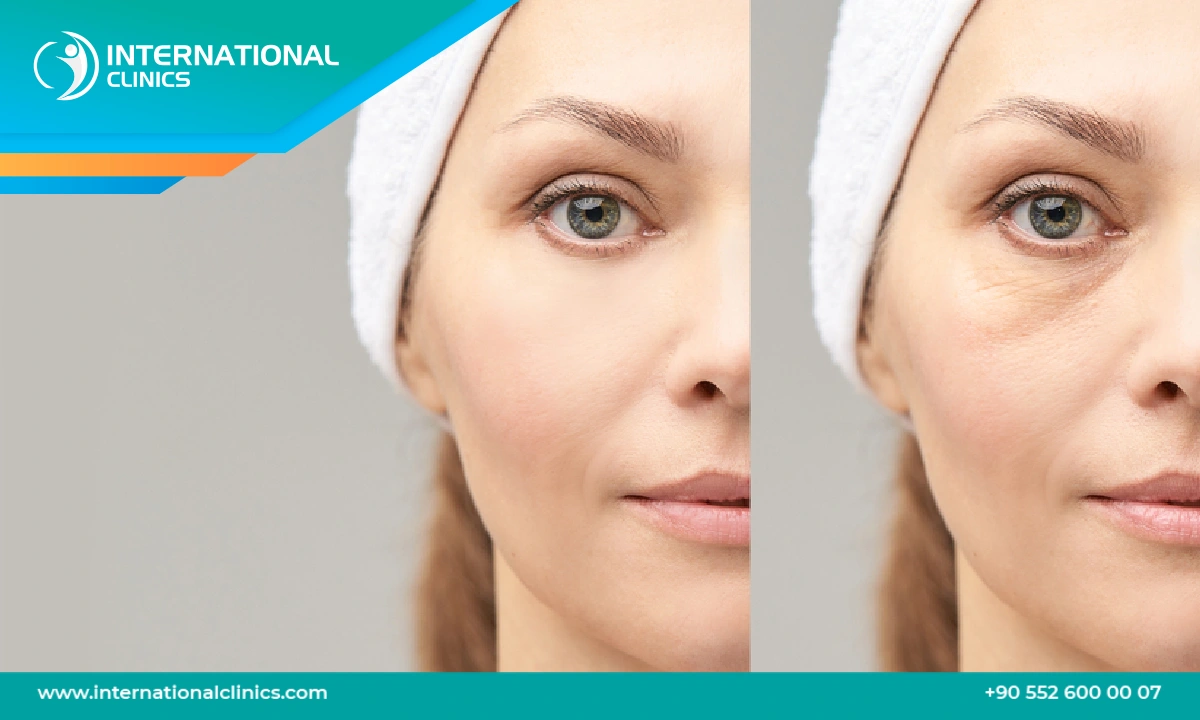
Under-eye filler is a non-surgical procedure in which hyaluronic acid is injected into the hollow beneath the eye, known as the tear trough. Softening this hollow and the shadow it casts, which often looks like dark circles, aims to restore volume to the area and refresh the look of the eyes naturally.
It is usually done in a clinic with a topical numbing cream. The doctor places very small amounts of filler with a fine needle or a thin cannula at the appropriate tissue depth. No general anesthesia or surgical incisions are needed, and it is best performed by a specialist who knows the anatomy of this area well.
A session usually lasts 20 to 30 minutes, and most people return to daily activities quickly. Mild swelling or bruising may appear and often settles within days to two weeks. The effect is visible immediately, and the final shape settles after about two weeks.
The final cost is set after a medical consultant reviews your case and photos.
Our medical consultants review all requests regularly, every three hours.
Get a free consultation and answers to all your questions by completing the form below
It fills the hollow beneath the eye and softens the shadows that suggest tiredness, so the area looks fresher and more balanced. In suitable cases it is a non-surgical option with a short recovery.
People with a clear hollow under the eye and no significant skin laxity or sagging fat pads. It may not suit those with prominent fatty bags or active inflammation in the area, and the doctor decides after an examination.
Your doctor may advise avoiding aspirin, blood thinners and supplements that increase bruising for a period beforehand, but never stop any medicine on your own. Avoid alcohol, and tell your doctor about any allergy, illness or previous facial injections.
The skin is cleaned and a numbing cream is applied. The doctor then injects small amounts of hyaluronic acid with a fine needle or thin cannula and gently massages the area to spread it. The session is short and involves no incisions.
Swelling, mild bruising or tenderness at the injection sites may appear and usually settle within days to two weeks. In the first days, avoid pressure on the area, strenuous exercise and high heat, as your doctor directs.
The result is visible straight away and the final look settles after about two weeks. It usually lasts roughly 9 to 18 months, depending on the product and how your body responds. Injections can be repeated later if needed.
Swelling, bruising, small lumps and temporary asymmetry are common, and a faint bluish tint under the skin may occasionally appear. Rarely, filler can block a blood vessel, a serious complication that needs urgent treatment, so the injection should be done by an experienced doctor. Hyaluronic acid can be dissolved with a specific enzyme if needed. Severe pain, skin colour change or visual disturbance after injection calls for immediate medical attention.
Injections do not usually leave scars, as the entry points are tiny and fade within days. The most noticeable effects are temporary swelling or bruising.
The procedure does not usually require a long stay, and many people can travel after a day or two, allowing for any bruising or swelling. Your treating doctor will confirm the right timing for you.
It can happen if too much product is used or if it is placed at the wrong depth. Choosing an experienced doctor, starting with small amounts and reviewing the result lowers the risk, and the doctor can correct it by dissolving the filler if necessary.