Tonsillectomy and adenoidectomy is a common operation that removes the tonsils on either side of the throat and the adenoids behind the nose. It is performed for recurrent tonsillitis, for snoring and sleep apnoea caused by enlarged tonsils, or for chronic nasal blockage and repeated ear infections linked to the adenoids. The aim is to improve breathing and sleep and reduce repeated infections.
The operation is done under general anaesthesia through the mouth, with no external incisions. The surgeon removes the tonsils with conventional instruments, electrocautery, laser or radiofrequency, depending on experience and the patient's condition. The adenoids are also removed from behind the nose through the mouth, and any bleeding is controlled.
It usually takes about 30 to 60 minutes, and the patient generally goes home the same day or after one night. Sore throat lasts about one to two weeks, and a risk of bleeding remains during the first two weeks, particularly when the scab falls off. Many patients notice better breathing and sleep within a few weeks.
The final cost is set after a medical consultant reviews your case and photos.
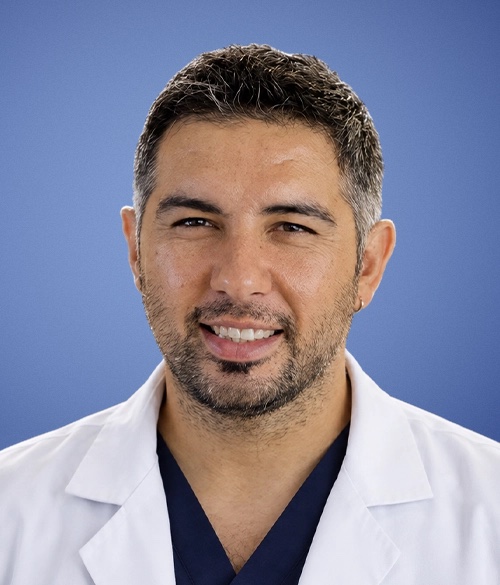

Assoc. Prof. Dr. Mustafa Çelik is an experienced ENT specialist with an academic background in ear, nose and throat diseases and head and neck surgery. Throughout his career, he has been actively involved in clinical practice, academic research, and medical education, contributing to numerous scientific studies and international medical publications.
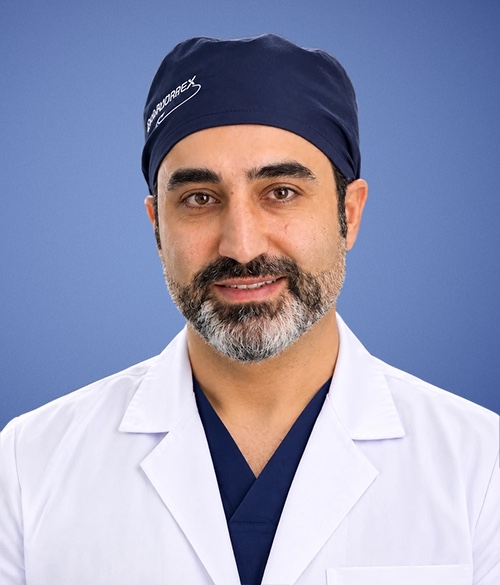
Op. Dr. Mustafa Karakaş is a highly experienced ENT specialist born in 1984, known for performing nearly 5,000 successful surgeries. After graduating from Cerrahpaşa Faculty of Medicine, he completed his specialization at Istanbul Haseki Training and Research Hospital. He is a Board-Certified surgeon who has been honored with a Certificate of Appreciation by the Istanbul Governorship for his medical services. His expertise focuses on aesthetic and functional procedures, particularly Rhinoplasty, Otoplasty, and advanced endoscopic sinus surgeries. Currently, he provides world-class care to loca...
Our medical consultants review all requests regularly, every three hours.
Get a free consultation and answers to all your questions by completing the form below
It may reduce repeated throat infections, improve nasal breathing and sleep, and ease snoring and sleep apnoea when they are caused by obstruction. In children it may also reduce ear infections linked to the adenoids.
It suits people with documented recurrent tonsillitis, airway obstruction during sleep caused by enlarged tonsils, or chronic nasal blockage caused by the adenoids. The doctor decides whether it is needed after an examination, and watchful waiting may be enough in some cases.
Blood tests and an anaesthetic assessment are usually done, and fasting from food and drink is required beforehand. Tell your doctor about every medicine you take, especially aspirin and anticoagulants, and do not stop any prescribed drug unless your doctor directs you to.
The tonsils and adenoids are removed under general anaesthesia through the mouth, without external incisions, using surgical instruments, cautery or other techniques chosen by the surgeon, with bleeding controlled. One can be removed without the other, depending on the case.
Sore throat usually lasts one to two weeks and may spread to the ear. Food is cool and soft at first and is then gradually built up, with plenty of fluids. Children usually need about a week of rest before returning to school, and adults one to two weeks.
Breathing and sleep often improve within weeks once the swelling settles, and throat infections become less frequent. Results usually last a long time because the removed tissue rarely grows back, although part of the adenoids can return in rare cases.
The main one is bleeding, which can occur in the first hours or during roughly the first two weeks, particularly when the scab falls off, and it needs emergency attention at once. Other risks include infection, dehydration, ear pain and anaesthetic risks, and rarely a temporary change in the voice.
There are no external incisions and no visible scars because the operation is done through the mouth. A temporary scab forms where the tonsils were and falls off within about two weeks.
Staying about 10 to 14 days after the operation is usually advised because of the risk of delayed bleeding. Your treating doctor will confirm when it is safe to travel according to your recovery.
Bright red bleeding from the mouth, vomiting blood, a persistent high fever, being unable to drink fluids, or difficulty breathing. All of these call for going to an emergency department immediately.