Spermatocelectomy is surgery to remove a spermatocele, a benign fluid-filled cyst that may contain sperm and arises from the epididymis above the testicle. Its aim is to remove the lump and the pain or heaviness it causes when it enlarges or becomes bothersome.
It is usually performed under general or spinal anaesthesia through a small scrotal incision. The surgeon carefully separates the cyst from the epididymis, ties off its neck and removes it, preserving the surrounding ducts as far as possible.
The operation generally takes under an hour and the patient usually goes home the same day, wearing a scrotal support and avoiding strain and heavy lifting for a few weeks. The final result is usually clear once swelling settles within a few weeks.
The final cost is set after a medical consultant reviews your case and photos.
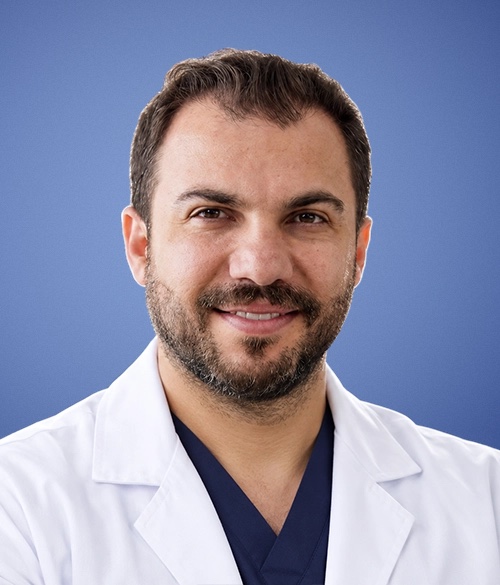

Assoc. Prof. Dr. Zülfü Sertkaya is an Istanbul urologist who focuses on andrology. He graduated from Gazi University Faculty of Medicine in 2008, completed his urology residency at Haydarpaşa Numune Training and Research Hospital in 2014, and holds the FEBU title (2017). He worked at state, university and private hospitals, including Memorial Diyarbakır and Başakşehir Çam and Sakura City Hospital. Since 2022 he has run his own clinic in Zeytinburnu, focusing on penile prosthesis, Peyronie's disease, premature ejaculation and male infertility.
Our medical consultants review all requests regularly, every three hours.
Get a free consultation and answers to all your questions by completing the form below
It removes the lump and associated discomfort, relieves heaviness, and allows tissue examination of the cyst when needed.
Small painless spermatoceles usually need no treatment; surgery is considered when the cyst grows, hurts or is bothersome, after ultrasound confirms the diagnosis.
Blood tests, an ultrasound and fasting before anaesthesia are needed. Never stop any medicine on your own, such as blood thinners; your doctor decides.
Through a small scrotal incision, the surgeon isolates the cyst from the epididymis, ties its attachment, removes it and closes with dissolvable stitches.
There is no pain during surgery thanks to anaesthesia, and afterwards pain is usually manageable with painkillers and cold packs.
Temporary swelling and bruising can occur. Most men return to desk work within days and postpone sport, heavy lifting and intercourse for about two to four weeks as advised.
The lump is gone after surgery and the shape settles as swelling fades; the result is usually permanent, with a small chance of a new cyst forming.
Possible issues include a blood collection, infection, rare chronic pain or blockage of the epididymis on that side. No result can be guaranteed; your doctor explains your individual risk.
It can block the epididymis on the treated side, so men planning children should discuss timing with their doctor; postponing surgery may be preferred if the cyst is not troublesome.
Staying about five days to a week until the follow-up check is usually advised before flying; your doctor confirms the right time.