Salivary gland surgery treats tumours, stones and chronic infections in these glands. It includes parotidectomy, in which part or all of the gland is removed, and sialendoscopy, in which the ducts are examined and treated. The aim is to remove the disease while preserving facial nerve function as far as possible.
Parotidectomy is performed under general anaesthesia through an incision in front of the ear that extends into the neck. The surgeon identifies and protects the facial nerve, and may use nerve monitoring. Sialendoscopy uses a thin instrument passed through the duct opening inside the mouth to remove stones or widen a narrowing, under local or general anaesthesia depending on the case.
Parotidectomy usually takes two to three hours, and the patient generally stays one or two nights afterwards. Sialendoscopy is shorter, and the patient usually goes home the same day. Swelling subsides over weeks, and the result settles and the scar calms over several months, with follow-up depending on the tissue examination result.
The final cost is set after a medical consultant reviews your case and photos.
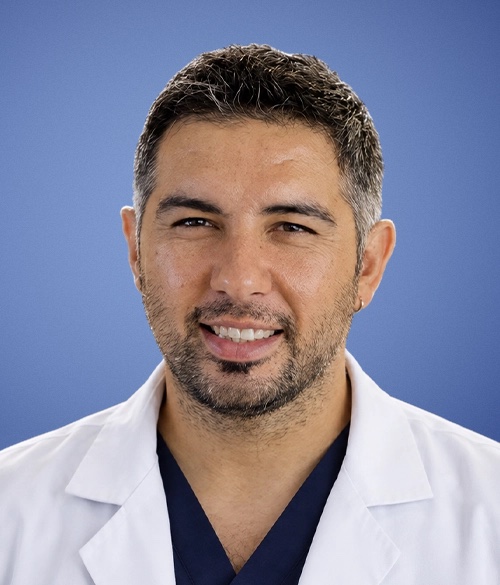

Assoc. Prof. Dr. Mustafa Çelik is an experienced ENT specialist with an academic background in ear, nose and throat diseases and head and neck surgery. Throughout his career, he has been actively involved in clinical practice, academic research, and medical education, contributing to numerous scientific studies and international medical publications.
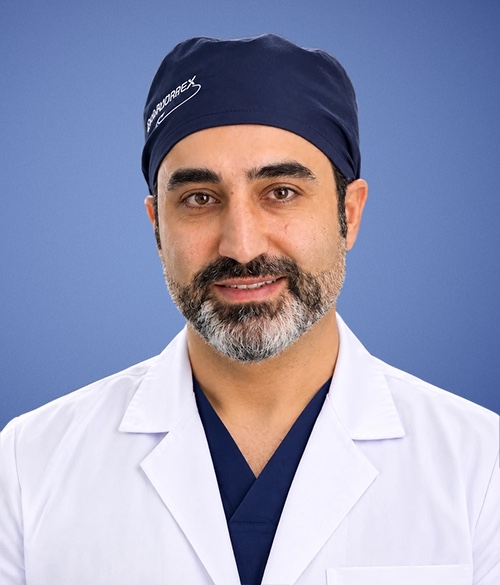
Op. Dr. Mustafa Karakaş is a highly experienced ENT specialist born in 1984, known for performing nearly 5,000 successful surgeries. After graduating from Cerrahpaşa Faculty of Medicine, he completed his specialization at Istanbul Haseki Training and Research Hospital. He is a Board-Certified surgeon who has been honored with a Certificate of Appreciation by the Istanbul Governorship for his medical services. His expertise focuses on aesthetic and functional procedures, particularly Rhinoplasty, Otoplasty, and advanced endoscopic sinus surgeries. Currently, he provides world-class care to loca...
Our medical consultants review all requests regularly, every three hours.
Get a free consultation and answers to all your questions by completing the form below
It treats a tumour, stones or chronic infection that cause pain and swelling, and allows an accurate diagnosis through tissue examination. In some stone cases, sialendoscopy may preserve the gland without removing it.
It suits people with a mass in the parotid gland, stones, or recurrent infections that do not respond to medicines. The doctor chooses the most suitable procedure after examination and imaging.
Blood tests and imaging by X-ray or MRI are arranged according to the case. Tell the doctor about all your medicines, and do not stop any, including blood thinners, on your own; the decision belongs to the doctor. You will be asked to fast before anaesthesia.
In parotidectomy an incision is made in front of the ear, and the facial nerve is identified and protected while the affected part is removed. In sialendoscopy a thin instrument passes through the duct from inside the mouth, usually without a skin incision.
After removal, a small drain may remain, and swelling and numbness around the ear last for weeks. Recovery after sialendoscopy is faster, and the doctor may recommend medicines, gland massage and drinks that stimulate saliva flow.
Pain and swelling ease gradually over weeks, and the result settles over months. In tumour cases, follow-up depends on the tissue examination result, and stones or tumours may return in some cases.
They include facial nerve weakness, which is often temporary and permanent in rare cases, numbness around the ear, bleeding, infection, and collection of fluid or saliva under the skin. A late complication of parotidectomy is sweating while eating, known as Frey's syndrome.
The facial nerve passes through the parotid gland, so movement on one side of the face may weaken. The weakness is often temporary and improves over weeks or months, but it may last in rare cases or when a tumour is attached to the nerve.
Parotidectomy leaves a scar in front of the ear that often extends into the neck; it improves with time and is partly hidden by skin folds. Sialendoscopy usually leaves no skin scar.
Roughly one to two weeks after removal and a few days after sialendoscopy. The treating doctor decides the date of travel according to your condition.