In vitro fertilization (IVF) was a mysterious, highly misunderstood procedure among the public in the past. Many people even associated IVF with “test-tube babies”! Things changed quite much in recent years and the number of people who choose this procedure has been increasing dramatically in all countries around the globe.
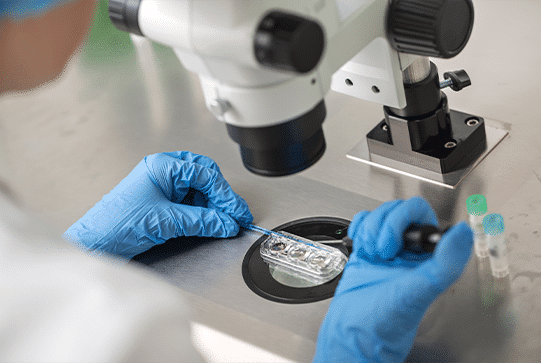
In vitro fertilization (IVF) is an assisted reproductive technology that aims at increasing the odds of conception and pregnancy by retrieving eggs from a woman’s ovaries and fertilizing them with sperm in a laboratory. Doctors bring thousands of sperms, place them next to the egg, and wait for fertilization to happen.
IVF is a great solution for female infertility and unexplained infertility. Interestingly, the first baby to be conceived by IVF technology was born in England and called “Louise Brown” in 1978.
Free Consultation
We provide you with free consultations by a specialized team
In vitro fertilization (IVF) gained increasing popularity due to its benefits for infertile couples who desperately want to conceive a child. In short, the benefits of this procedure include:
Get an infertility treatment that “works” and is better than fertility medications
Allow you to use donated eggs and/or sperm in case you need that
Gain control over timing and decide when exactly you want to conceive
Increase your odds of having a healthy child without compromising your health
Decrease your chances of unfortunate miscarriage associated with other infertility treatments
Enjoy an infertility treatment that has a high success rate compared to other treatments
Candidates for In Vitro Fertilization (IVF)
Before starting the IVF procedure, doctors usually request or perform the following tests:
Uterus examination by ultrasound or by inserting a scope through the vagina, which reveals important information about uterus health.
Ovarian reserve testing to determine the level of follicle-stimulating hormone (FSH) and assess the size and quality of your egg.
Sperm testing for the male partner to analyze the number, size, and shape of the sperm.
Steps of In Vitro Fertilization (IVF)
IVF procedure goes through 5 main steps, including:
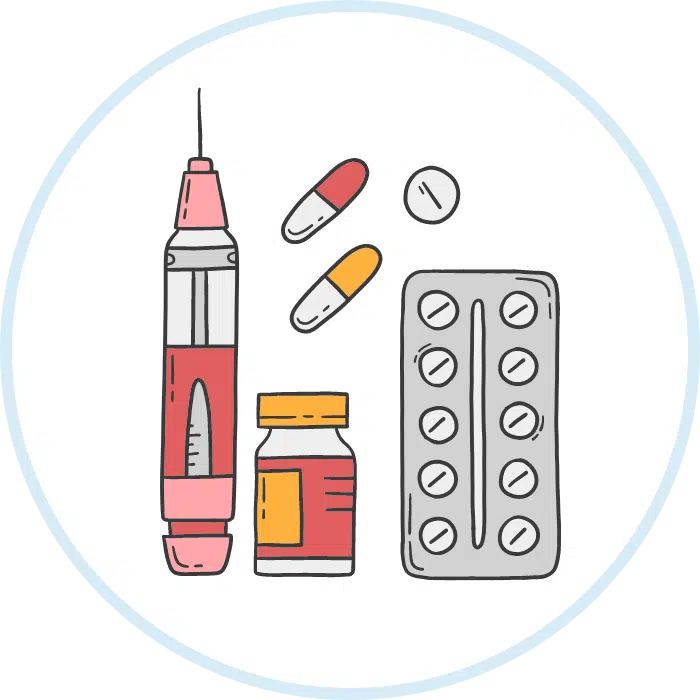
1. Egg Stimulation
To increase the number of eggs your body produces, your doctor will give you fertility drugs that can stimulate egg production.
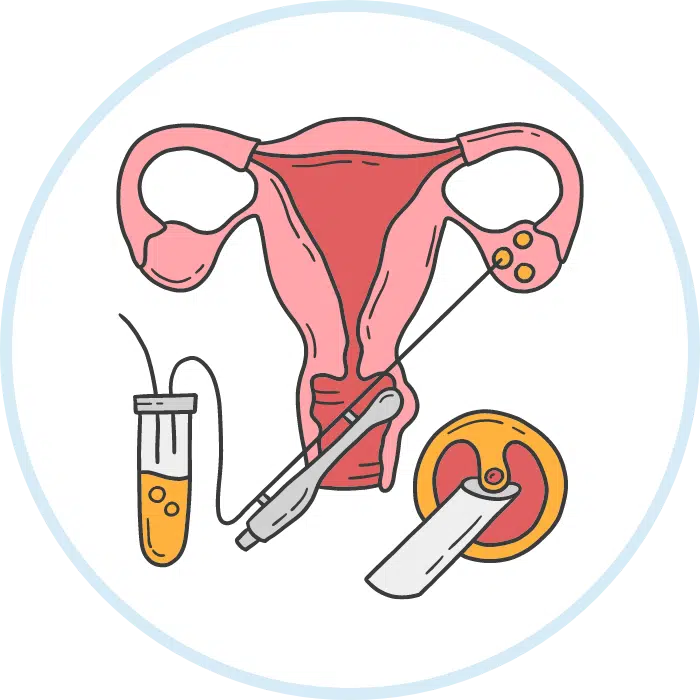
2. Egg Retrieval
Your doctor will use a needle to suction eggs through your ovary and vagina. They usually use an ultrasound wand to guide the needle.
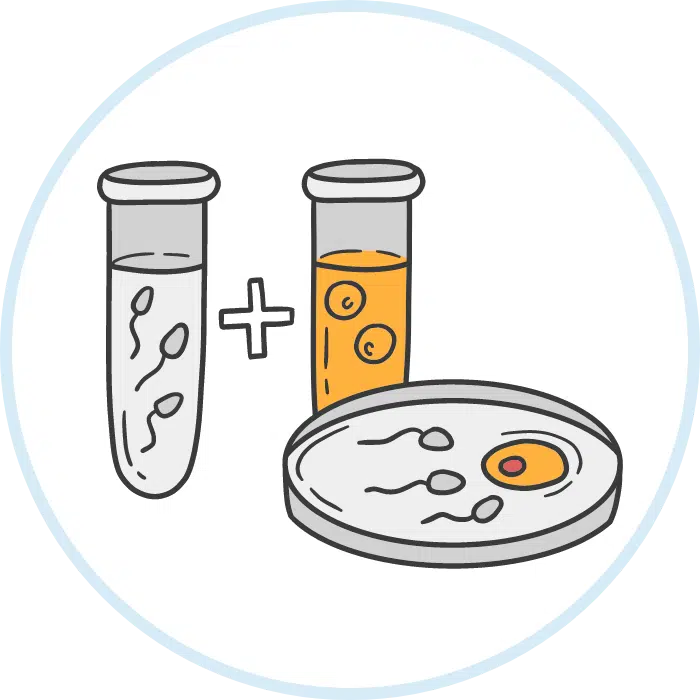
3. Insemination
Your doctor will request a semen sample from your male partner. Once your partner provided the sample, the lab technician will mix the sperm with the egg in a perti dish.
4. Embryo Culture
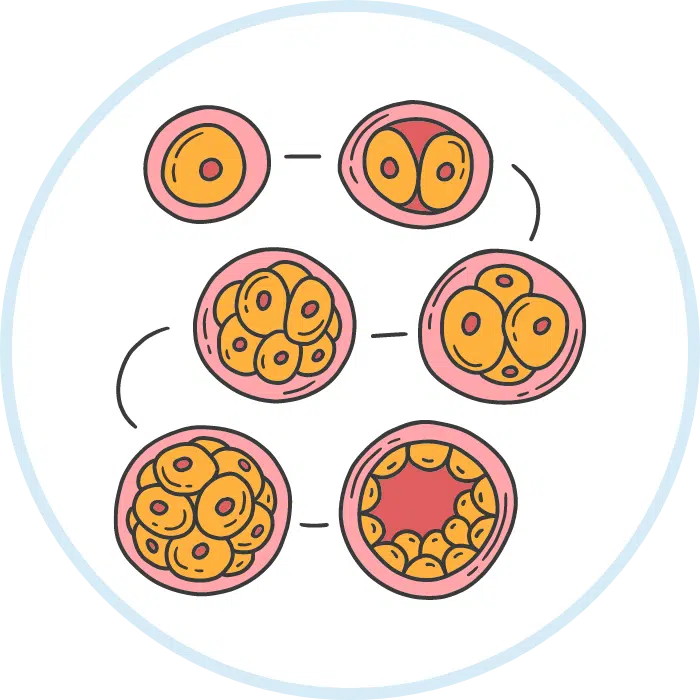
At this point, the eggs should start dividing and developing. Your doctor will monitor this process and request genetic testing during this period.
5. Embryo Transfer
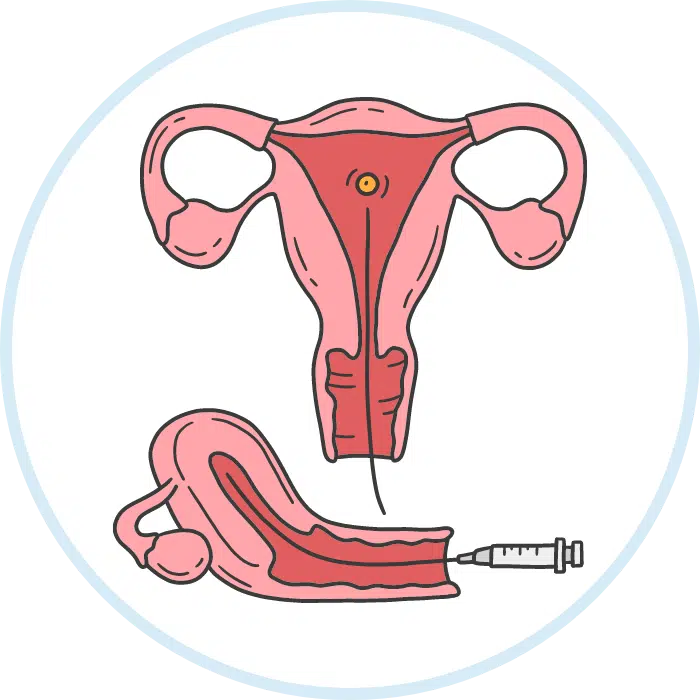
Once the eggs turned into big, mature embryos, the doctor can start implanting them into your uterus by using a catheter.
Recovery After In Vitro Fertilization (IVF)
You may be able to back home just after 2 hours of egg retrieval. However, you can’t drive a car, so you need someone to drive you home. The recovery after egg retrieval is quick and easy, but you may feel some cramping or heaviness in the pelvic area. In addition, you may notice some spotting, but this is normal. Remember the following things during this period to prepare your body for the next steps:
Take pain medication if discomfort or soreness continues
Wear a healing pad and rest your body for some time
Avoid strenuous exercise or heavy lifting to keep your ovaries healthy
Avoid bad habits, such as smoking and caffeine
Avoid swimming, hot tubs, and tub baths, but you can take showers
Stop taking medications except for the ones your doctor suggests
Avoid vaginal sex or sexual penetration in the first week after embryo transfer
Don’t use vaginal creams or spermicides during this period
Risks of In Vitro Fertilization (IVF)
In vitro fertilization (IVF) is a safe procedure and rarely can cause any complications, However, some cases could face the following issues:
Unwanted reactions or responses to fertility drugs
Emotional and psychological stress
Conceiving twins or triplets
Low birth weight or premature labor
The need to have a cesarean delivery
A small increase in birth defects
Contact Information
Get a free consultation and answers to all your questions by completing the form below
Let us contact you
Get a free consultation and answers to all your questions by completing the form below
✓
Success!
Your message has been sent successfully. We will contact you soon.
Thank you
The form has been sent successfully
We will contact you as soon as possible
FAQ's
Candidates for In Vitro Fertilization (IVF)
Doctors often suggest in vitro fertilization (IVF) to solve infertility in the following cases:
Women who can’t become pregnant through sexual intercourse
Women with blocked or missing fallopian tubes, endometriosis, or polycystic ovarian syndrome (PCOS)
Females with abnormal ovulation cycles, pelvic inflammatory disease
Females who have a male partner who suffers from male factor infertility
How many times I can do IVF?
There is no specific limit, but doing this procedure several times can decrease the chances of pregnancy. In some cases, however, several attempts become necessary to reach successful pregnancy. Indeed, some couples need 8 or 10 attempts to reach this goal.
Does age affect the success of IVF?
The wife’s age is the most influential factor. The odds of success increase remarkably for women under the age of 35. Also, women between the ages of 35 and 38 can have a good chance with IVF, but the success rate decreases for women between the age of 38 and 40. Little hope remains for women between 40 and 42 years, but the probability of success is almost zero for those over the age of 42.
Does the risk of miscarriage increase after IVF?
The possibility of miscarriage increases slightly for a couple who do IVF, but this is not related to the IVF procedure itself, but rather to the wife’s ability to become pregnant in the first place.
Can we freeze embryos for future attempts?
– Some embryos remain in good condition after IVF.
– These embryos are frozen and preserved, allowing the couple to benefit from them in the future.
– After being taken out of the freezers, 70% to 80% of them remain alive and in good condition.
When used, the probability of pregnancy ranges between 50% and 80%.
Should the couple follow a certain diet before the IVF procedure?
There are no studies related to this matter, but some research indicated that a large number of successful cases occurred after following a diet that contains a lot of vegetables, fish, and healthy oils.
×
Get a Free Consultation
International Clinics Guarantees
Reliable medical care provided within our accredited facilities
Final fixed price with no hidden costs
Full medical support with professional interpreters
Clear treatment plans and follow-up at international standards
Personalized assistance throughout the entire treatment journey
We use our own cookies and third-party cookies so that we can display this website and better understand how you use it, with the aim of improving the services we offer. If you continue browsing, we consider that you have accepted the cookies.

 EN
EN AR
AR