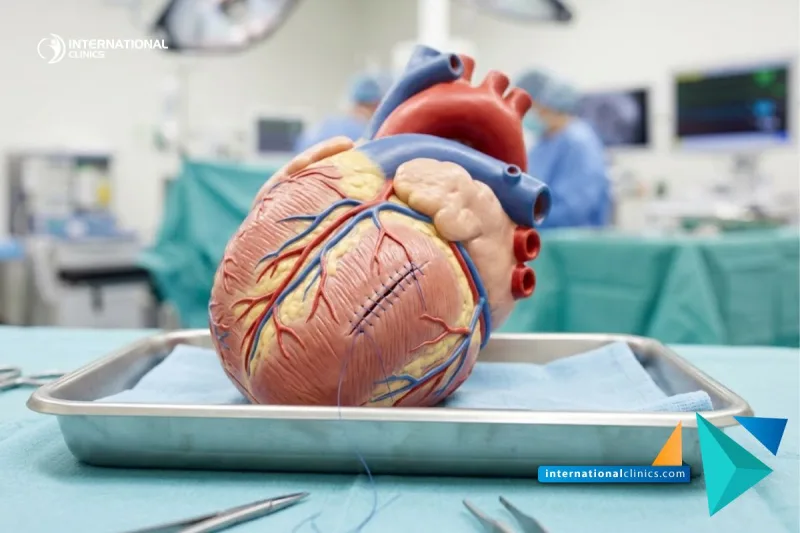
Coronary artery bypass surgery, also called CABG, is a major open-heart operation in which the surgeon creates a new route for blood to bypass blocked or narrowed coronary arteries, using a blood vessel taken from the chest, leg or arm. It aims to improve blood flow to the heart muscle, as judged by the treating team.
The operation is performed under general anesthesia through an incision over the breastbone. Depending on the case, the surgeon may temporarily stop the heart and use a heart-lung machine, or operate on the beating heart. The grafts are then sewn in so that blood flows around the narrowed segment, and the breastbone is closed with wires.
Surgery often takes three to six hours, followed by a day or two in intensive care and a hospital stay that may reach about a week. The breastbone heals over roughly six to twelve weeks. Full improvement in activity and symptoms may take months, varies from patient to patient, and no specific outcome can be promised.
The final cost is set after a medical consultant reviews your case and photos.
Our medical consultants review all requests regularly, every three hours.
Get a free consultation and answers to all your questions by completing the form below
It may relieve symptoms of narrowed arteries, such as chest pain and shortness of breath, and may improve blood flow to the heart in selected cases. The treating team estimates the expected benefit for each patient, and no result is guaranteed.
It is usually considered for people with blockages in several coronary arteries or in critical locations, including some with diabetes or a weakened heart muscle, after angiography and assessment by a heart team. The doctors decide whether surgery is the right option given your overall health.
Heart tests, blood tests and a chest X-ray are performed, and sometimes blood vessel studies. Fasting is required before surgery, and quitting smoking is very important. Do not stop any medicine on your own, including blood thinners, heart medicines and diabetes medicines; the doctor decides what to stop and when.
After general anesthesia, the breastbone is opened and the vessel to be used as a graft is prepared. The graft is then sewn in to bypass the blocked section. A heart-lung machine may be used, or the operation may be done on the beating heart, as the surgeon decides, and the chest is then closed.
After surgery the patient spends time in intensive care, then moves to the cardiac ward for monitoring, with breathing exercises and early movement. The breastbone heals over several weeks, during which heavy lifting is not allowed, and a cardiac rehabilitation program is usually advised by the doctor.
Improvement may be gradual over weeks to months. Grafts can remain effective for many years, but the underlying artery disease persists and needs follow-up, medication and a healthy lifestyle. Grafts or other arteries may narrow over time.
Open-heart surgery carries serious risks, including bleeding, infection, irregular heart rhythm, stroke, kidney and lung problems, temporary changes in concentration and graft blockage, and in rare cases it can be life-threatening. The surgeon explains them according to your condition.
A vertical scar remains in the middle of the chest, with another on the leg or arm if a vessel was taken from there. It fades over time but usually stays visible.
Patients usually need to stay for weeks before flying, and the period may be no less than two weeks in uncomplicated cases. The cardiologist decides the safe date after assessment and tests.
Yes, the doctor often prescribes medicines to protect the grafts and control blood pressure, cholesterol and diabetes, which may include antiplatelet drugs. Do not stop or change them without consulting the doctor.