Definition

”

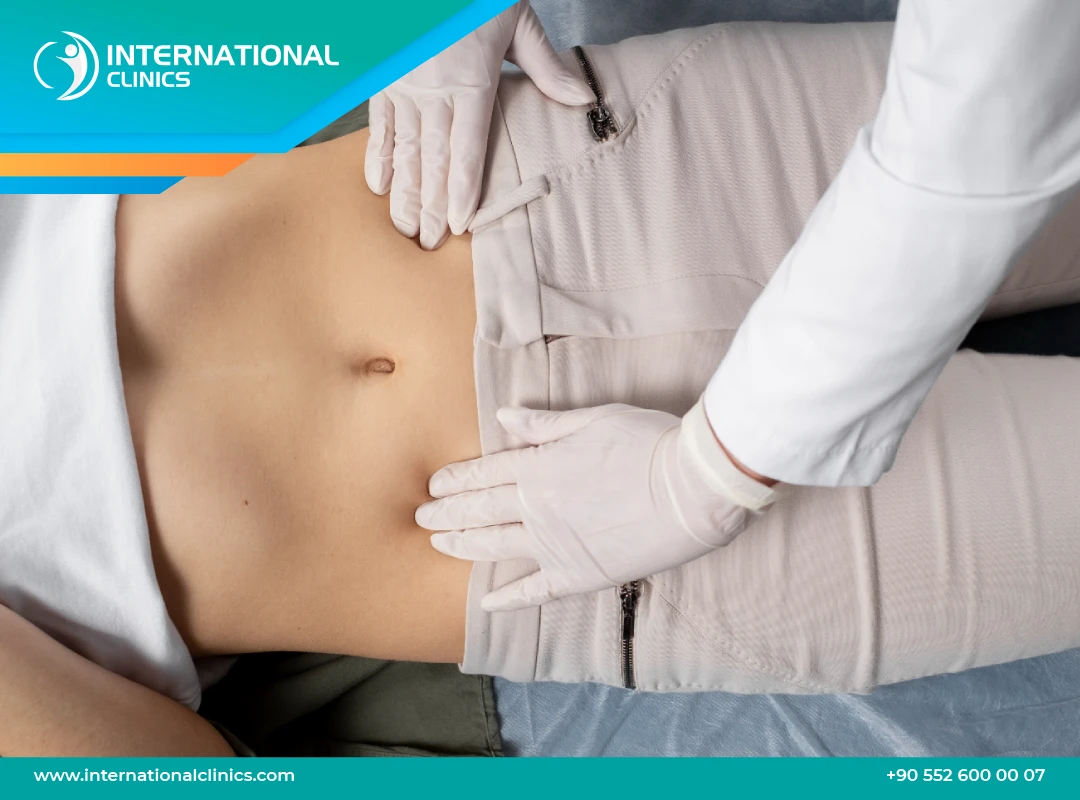
Laparoscopic colectomy removes the affected part of the colon with nearby lymph nodes. Its goal is to remove the tumor completely with healthy margins and to stage the disease accurately, while the treating team decides the overall plan, which may include other treatments.

The operation is performed under general anesthesia through several small incisions, for a camera and fine instruments. The affected segment is detached with its vessels and nodes, removed through a small incision, and the healthy ends are joined. Sometimes conversion to open surgery is needed for safety, and a temporary stoma is occasionally created.

The operation often takes two to four hours, and patients usually stay in hospital a few days until bowel function returns. Many return to light activity within weeks, avoiding heavy lifting for the period the doctor sets. The pathology result arrives after about one to two weeks, and the final treatment and follow-up plan becomes clear once the pathology report is available.

Prices

Laparoscopic colectomy for colon cancer

Price based on your case
Share your case

The final cost is set after a medical consultant reviews your case and photos.

Free Consultation

Get a Free Quote

Our medical consultants review all requests regularly, every three hours.

  • Free Medical Consultation
  • Verified Specialist Doctors
  • 24/7 Fast Response

Let us contact you

Get a free consultation and answers to all your questions by completing the form below


Gastroenterology Surgery
Advanced Endoscopy Center
Aesthetic & Plastic Surgeries
Algology (Pain) Clinic
Andrology
Anesthesia and Reanimation
Audiology
Bariatric Surgery Center
Biochemistry
Bone Marrow Transplantation
Brain and Nerve Surgery (Neurosurgery)
Breast Health Center
Breast Surgery
Cancer (Oncology) Center
Cardiology
Cardiovascular Surgery (CVS)
Check Up Center
Chest Diseases (Lung Diseases)
Child and Adolescent Psychiatry
Child and Adolescent Psychology (Pedagogy)
Coronary Intensive Care Unit (CCU)
Cosmetic Dermatology (Cosmetology)
Ear Nose Throat Diseases
Endocrine Surgery
Endocrinology and Metabolic Diseases
Endometriosis Center
Esophageal Diseases Center
Eye Diseases
Gastroenterology
Gastroenterology Surgery
Gastrointestinal Oncologic Surgery Center
General Intensive Care
General Surgery
Genetic Diseases Evaluation Center
Geriatrics (Old Age Health) Department
Gynecologic Oncology (Women's Cancers)
Gynecology and Obstetrics
Hair Transplant
Hematology
Home Care and Health Services
Immunology and Allergic Diseases
Infectious Diseases and Clinical Microbiology
Internal Medicine (Internal Medicine)
Interventional Neuroradiology
Interventional Radiology
IVF and Reproductive Health Center
Kidney Transplant Center
KVC Intensive Care Unit
Liaison Psychiatry
Liver Transplantation Center
Liver-Pancreas-Gallbladder and Pathways (HPB) Center
Lung Nodule Center
Manual Medicine
Medical Oncology
Microbiology Laboratory
Muscle and Nerve Diseases Center (Neuromuscular Diseases)
Neonatal Intensive Care Unit (Neonatology)
Nephrology
Neurology
Nuclear Medicine
Nutrition and Diet
Oncological Surgery Center
Oral and Dental Health
Organ Transplantation Center
Orthopedics and Traumatology
Pathology
Pediatric Allergy
Pediatric Bone Marrow Transplant Unit
Pediatric Cardiology
Pediatric Cardiovascular Surgery
Pediatric Chest Diseases
Pediatric Development
Pediatric Endocrinology
Pediatric Gastroenterology
Pediatric Hematology
Pediatric Infectious Diseases
Pediatric Nephrology
Pediatric Neurology
Pediatric Oncology
Pediatric Physical Therapy and Rehabilitation Center
Pediatric surgery
Pediatric Urology
Pediatrics
Perinatology (High Risk Pregnancies)
Physical Medicine and Rehabilitation
Proctology Center (Hemorrhoid and Anorectal Diseases Unit)
Psychiatry
Psychology (Clinical)
Radiation Oncology (Radiotherapy)
Radiology
Respiratory Physiotherapy
Rheumatology
Robotic Orthopedic Surgery (Robotic Prosthesis Surgery)
Robotic Rehabilitation Center
Robotic Surgery Center
Skin and Venereal Diseases (Dermatology)
Sleep Disorders Center
Smoking Cessation Clinic
Spine Center (Spine Surgery)
Stroke and Brain Injury Rehabilitation Center
Test-Tube Babies (IVF)
Thoracic Surgery
Undiagnosed Diseases Center
Urinary Tract
Urology
Laparoscopic colectomy for colon cancer
Select Treatments ...


✓
Success!
Your message has been sent successfully. We will contact you soon.

Frequently Asked Questions

What are the benefits of laparoscopic colectomy?

It often means smaller wounds, less pain and faster recovery than open surgery, with the same aim of removing the tumor completely. However, it is not suitable for every case.

Who is this operation suitable for?

It suits people with colon cancer that can be removed and whose health allows surgery. The treating team decides after tests, imaging and colonoscopy, and some advanced tumors or complex cases may not be suitable.

How do I prepare for the operation?

Preparation includes tests, imaging and an assessment before anesthesia, and bowel cleansing according to the team's instructions. Tell the doctor about all your medicines, especially blood thinners, and do not stop them on your own; that decision belongs to the doctor.

How is the operation performed?

It is done laparoscopically under general anesthesia through several small incisions. The affected segment is removed with its lymph nodes, and the two healthy ends of the colon are then joined.

How does recovery go?

Patients are encouraged to walk early and begin with fluids, then gradually return to food. Abdominal discomfort may last several days, and heavy lifting is avoided for several weeks as the doctor instructs.

When do results appear?

The pathology report shows the outcome of the surgery and the stage of the disease. Regaining activity takes weeks, and regular follow-up continues afterwards. A cure cannot be guaranteed, and the team sets the follow-up plan.

Will I need additional treatment?

Chemotherapy or other treatment may be recommended depending on the stage shown in the pathology report. The treating team decides, and not every patient needs it.

What are the possible risks and complications?

They include bleeding, infection, leakage at the join, adhesions, bowel obstruction, blood clots and, at times, conversion to open surgery. The surgeon explains the risks according to your condition.

Does the operation leave scars?

It leaves several small scars and a slightly larger one where the removed segment is taken out. Scars fade over time in many patients.

How many days should I stay before flying after the operation?

Staying about one to two weeks after leaving hospital is usually advised, for follow-up and to receive the pathology report. The treating doctor confirms the right timing for your case.

×
Get a Free Consultation

Our commitments to you

  • Reliable care at accredited, contracted institutions
  • A clear price agreed before you travel, with no hidden costs
  • Full medical support with professional interpreters
  • Clear treatment plans and follow-up to international standards
  • Personal assistance throughout your treatment journey
  • Complete confidentiality for all your medical information
✓
Success!
Your message has been sent successfully.
Chat with us
1 WhatsApp