Cochlear implant surgery places an electronic device in the inner ear that stimulates the hearing nerve directly. It is performed for people with severe or profound sensorineural hearing loss who do not benefit enough from hearing aids. The aim is to improve sound awareness and speech understanding, but it does not restore normal hearing.
The operation is done under general anesthesia through a small incision behind the ear. The surgeon carefully opens the mastoid bone, guides a fine electrode array into the cochlea and secures the receiver under the skin. Once the wound heals, the external sound processor is fitted and an audiologist adjusts it gradually.
Surgery often takes two to four hours, and many patients go home after a day or two. The device is usually switched on three to six weeks later, followed by tuning and hearing rehabilitation sessions. Results improve gradually over months, and gains may continue for years depending on the case and training.
The final cost is set after a medical consultant reviews your case and photos.
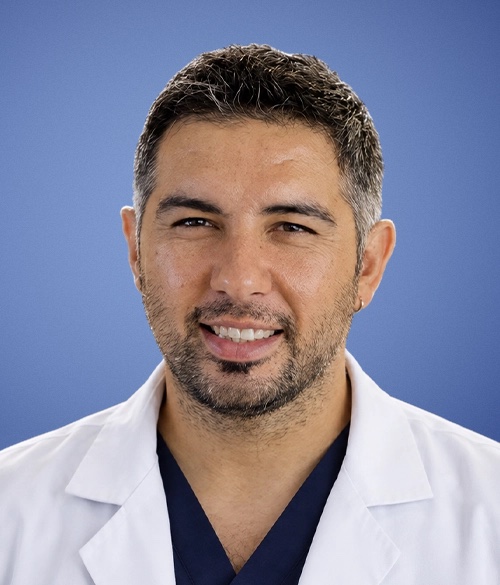

Assoc. Prof. Dr. Mustafa Çelik is an experienced ENT specialist with an academic background in ear, nose and throat diseases and head and neck surgery. Throughout his career, he has been actively involved in clinical practice, academic research, and medical education, contributing to numerous scientific studies and international medical publications.
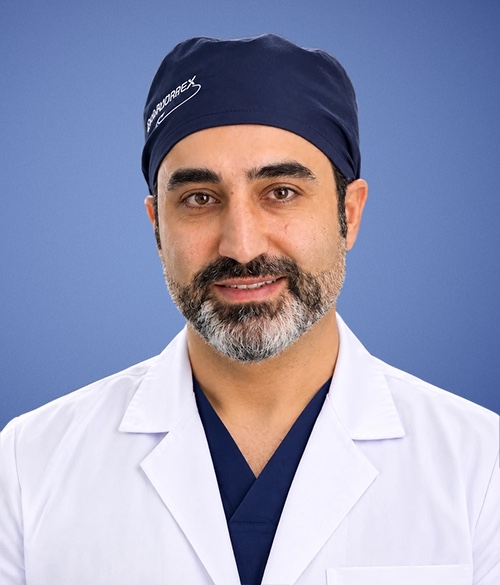
Op. Dr. Mustafa Karakaş is a highly experienced ENT specialist born in 1984, known for performing nearly 5,000 successful surgeries. After graduating from Cerrahpaşa Faculty of Medicine, he completed his specialization at Istanbul Haseki Training and Research Hospital. He is a Board-Certified surgeon who has been honored with a Certificate of Appreciation by the Istanbul Governorship for his medical services. His expertise focuses on aesthetic and functional procedures, particularly Rhinoplasty, Otoplasty, and advanced endoscopic sinus surgeries. Currently, he provides world-class care to loca...
Our medical consultants review all requests regularly, every three hours.
Get a free consultation and answers to all your questions by completing the form below
It may allow you to hear environmental sounds, understand speech and communicate better, which many people find improves social and school life. Benefit varies from person to person, and the implant does not restore normal hearing.
Children and adults with severe or profound sensorineural hearing loss who do not benefit enough from hearing aids. The treating team decides suitability after hearing tests, imaging and a rehabilitation assessment.
Preparation includes a hearing assessment, inner ear imaging by MRI or CT, and pre-anesthesia tests. Vaccination against meningitis is reviewed according to the doctor's guidance, and fasting is required before surgery. Do not change any medicine without your doctor's direction.
After general anesthesia, an incision is made behind the ear and the mastoid bone is opened to reach the cochlea. The electrode array is inserted and the receiver is secured under the skin. The device's response is tested during surgery, and then the wound is closed.
Mild pain and swelling behind the ear are usual, and temporary dizziness or a change in taste may occur. Rest, avoid rubbing the wound and avoid swimming until your doctor allows it; the wound is checked during the first weeks.
The device does not work immediately after surgery; it is switched on weeks later, once the wound has healed, and response improves gradually with tuning and hearing rehabilitation. The implanted part is designed for long-term use, though the external processor may need upgrading or, rarely, repair.
They may include wound infection, dizziness, tinnitus, altered taste and loss of any remaining hearing in the implanted ear. Rare complications include facial nerve weakness, cerebrospinal fluid leak, meningitis and device failure, and an additional procedure may be needed.
A small scar remains behind the ear, usually hidden by the ear or hair, and it fades over time.
Staying about a week after surgery is often advised so the wound can be checked, and your treating doctor confirms the right travel date. Later, plan for the activation and tuning sessions.
It is a core part of treatment, as the brain learns through training to interpret the new signals. Follow-up includes device tuning and listening and speech exercises, and progress depends on commitment to them, age and the duration of hearing loss.