Having a cloudy vision and vision loss that makes it harder to perform everyday activities like reading, driving, or watching TV is a good reason for doctors to suggest cataract surgery that aims essentially at treating cataracts, which are the world’s leading cause of blindness.
Cataract surgery helps you see better by removing a clouded lens from your eye and placing an artificial lens. The two main types of cataract surgery include phacoemulsification (phaco), which is known also as small-incision cataract surgery, and extracapsular surgery.
Cataracts are more common in older adults. In the United States, more than half of people over 80 have either cataracts or had undergone cataract surgery.
Free Consultation
We provide you with free consultations by a specialized team
If you have cataracts, you must realize that cataract surgery is the only way to treat this problem and regain your normal eyesight once again. Scientists haven’t been able to invent any medicine or eyedrops that can treat cataracts. Hence, cataract surgery is a very effective and beneficial procedure that can bring benefits such as:
Receive a reliable treatment with an impressive success rate (9 out of 10 people report eyesight improvement)
Get a very effective treatment with quick and simple recovery
Improve your vision abilities and see things clearer when performing activities such as reading or driving
Restore your ability to distinguish between different colors
Avoid seeing annoying glare when looking at bright lights
Protect your eye health and enjoy better life quality
Candidates for Cataract Surgery
Your doctor may do the following to prepare for this surgery:
Do a physical examination and some tests to measure the size and shape of your eye.
Give you eye drops that include an antibiotic on the day of the surgery.
Arrange for someone to drive you home safely as you won’t be able to drive yourself after the surgery.
Steps of Cataract Surgery
Doctors often perform cataract surgery in an outpatient facility, and the entire procedure takes less than 20-30 minutes to complete. Therefore, you don’t need to stay overnight at the hospital. In case cataracts were developed in both of your eyes, your doctor will suggest undergoing surgery on each eye at a different time with 4 weeks apart. The steps of the procedure include:
1. Anesthesia
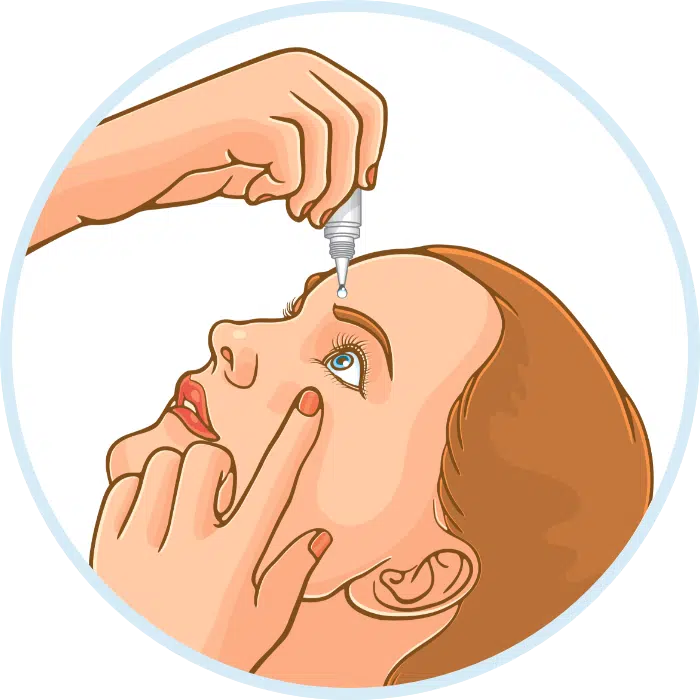
Your doctor will start the surgery by putting numbing drops into your eye to prevent unwanted pain.
2. Breaking the Lens
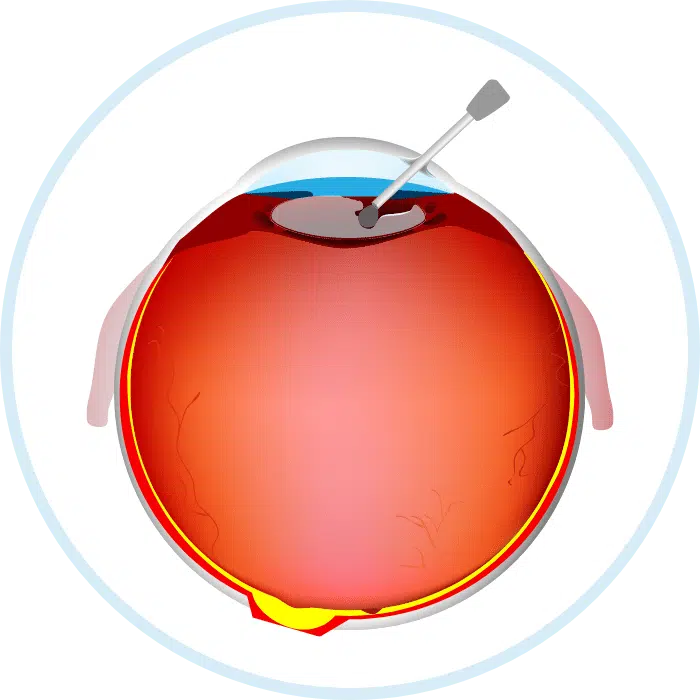
Next, they will use special tools to enter your eye, break the lens, and remove it from your eye.
3. Placing the New Lens
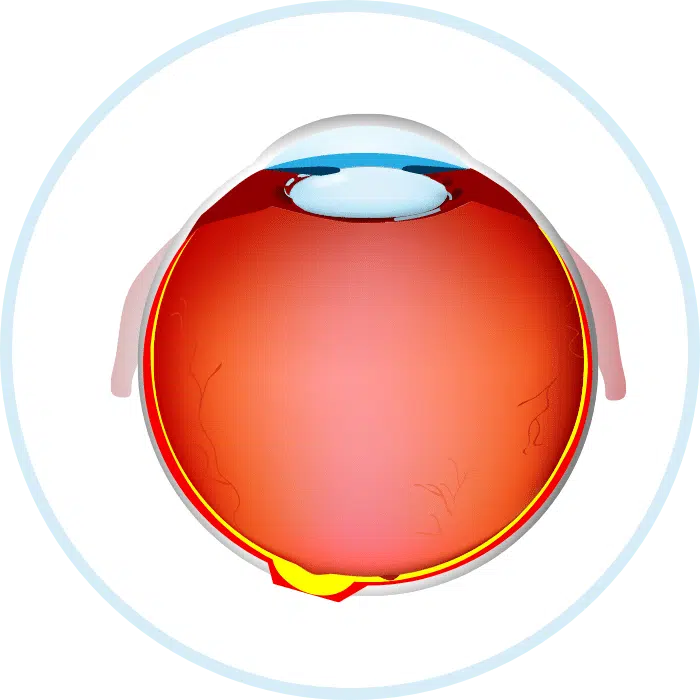
Your doctor will replace the clouded lens with a new artificial lens to treat cataracts.
Recovery After Cataract Surgery
You’ll be able to go home within half an hour after the surgery, but full recovery may take up to 8 weeks. Expect the following things during recovery:
You may need to wear an eye shield while you sleep.
Your doctor will prescript eye drops or medications to prevent infections in the 4 weeks following the surgery.
You may experience blurry vision during the first couple of days with slight light sensitivity.
Risks of Cataract Surgery
Cataract surgery is a routine procedure and one of the safest surgeries. However, it comes with risks, such as:
Blurred vision or persistent eye pain
Seeing abnormal glares or shadows
Dislocation of the new lens
Damage to other parts of the eye
Eye bleeding, infection, or swelling
Retinal detachment
Contact Information
Get a free consultation and answers to all your questions by completing the form below
Let us contact you
Get a free consultation and answers to all your questions by completing the form below
✓
Success!
Your message has been sent successfully. We will contact you soon.
Thank you
The form has been sent successfully
We will contact you as soon as possible
FAQ's
Candidates for Cataract Surgery
Obviously, you will be a good candidate for this surgery if you have cataracts. Doctors usually suggest the surgery for:
People with serious cataracts that cause vision problems and interfere with their activities, such as reading or driving.
People who need to remove their cataracts to help manage other eye conditions, such as diabetes-related retinopathy.
What is a cataract?
A cataract is a clouding that affects the natural lens of the eye and leads to blurry vision. To solve the problem, the doctor removes the clouded lens by ultrasonic suction from a very small opening in the eye, then implants a fitting lens inside the eye.
What are the causes of cataracts?
– A family history of cataracts.
– Some common diseases such as diabetes.
– Excessive exposure to ultraviolet lights or dazzling sunlight in open spaces.
– An eye accident.
– Unhealthy eating and smoking.
What is the right time to undergo the surgery?
The right time for cataract surgery varies from person to person, each according to their visual needs and pace of cataract development. If the cataract is already affecting your daily activity, you should not delay the procedure.
What kind of anesthesia is used by the doctor during cataract removal?
The doctor uses anesthetic eye drop or local anesthetic agent in most cases.
Is there a need to use glasses after the surgery?
The goal of lens implantation is to reduce dependence on glasses as much as possible.
But many people would benefit from small-sized glasses for reading and driving at night.
×
Get a Free Consultation
International Clinics Guarantees
Reliable medical care provided within our accredited facilities
Final fixed price with no hidden costs
Full medical support with professional interpreters
Clear treatment plans and follow-up at international standards
Personalized assistance throughout the entire treatment journey
We use our own cookies and third-party cookies so that we can display this website and better understand how you use it, with the aim of improving the services we offer. If you continue browsing, we consider that you have accepted the cookies.

 EN
EN AR
AR ES
ES FA
FA FR
FR