Overly large breasts are not always a good thing! Indeed, many women are not happy at all about their large breasts and wish to have smaller chests to avoid physical and mental problems associated with large breasts. If you belong to this category, you can start thinking about breast reduction surgery.
Breast reduction or “reduction mammoplasty” is a cosmetic surgery that aims at reducing the size and shape of your breasts by removing extra fat and skin. According to the American Society of Plastic Surgeons, more than 43,500 breast reduction surgeries were performed in the United States in 2018. So, you’re not alone! Next, you will learn all you need to know about the benefits, steps, and risks of this surgery.
Free Consultation
We provide you with free consultations by a specialized team
Breast reduction is a great option for women who want more uplifted, prominent, and shapely breasts. Women who choose breast reduction are usually seeking more flexibility and more freedom in their clothing options and physical activities. Obviously, you will receive numerous benefits if you choose this surgery, including:
Treat breast soreness, rashes, and skin irritations beneath the breast folds
Get more attractive, lifted, and firmer breasts that make you seem younger
Relieve neck, back, and shoulder pains that result from overly large breasts
Get a breast size in proportion with the rest of your body
Relieve painful pressure and scar-like lines from bra straps
Avoid unwanted attention that you’re getting from overly large breasts
Feel and look better when wearing swimsuits and sports bras
Enhance your overall posture and relieve chronic nerve issues
Feel more comfort and ease during exercise
Treat stretched areolas and large nipples
Feel like Hollywood stars, such as Drew Barrymore and Queen Latifah, who underwent breast reduction surgery to get the right breast size!
Candidates for Breast Reduction
First, you must find an experienced surgeon or trustworthy clinic that provides safe and guaranteed breast reduction surgery. During your initial consultation, your surgeon will discuss your expectations and goals and may also perform a physical examination. The preparation for breast reduction may also include:
Undergo certain lab tests, such as blood tests.
Avoid smoking and tobacco products to guarantee adequate recovery.
Stop taking certain medications, such as aspirin or anti-inflammatory drugs.
Set up your recovery environment at home and buy surgical bras and loose T-shirts or blouses.
Prepare clean washcloths and towels.
Keep eating well-balanced meals.
Steps of Breast Reduction
The surgery may take between 2 to 5 hours and may involve the following steps:
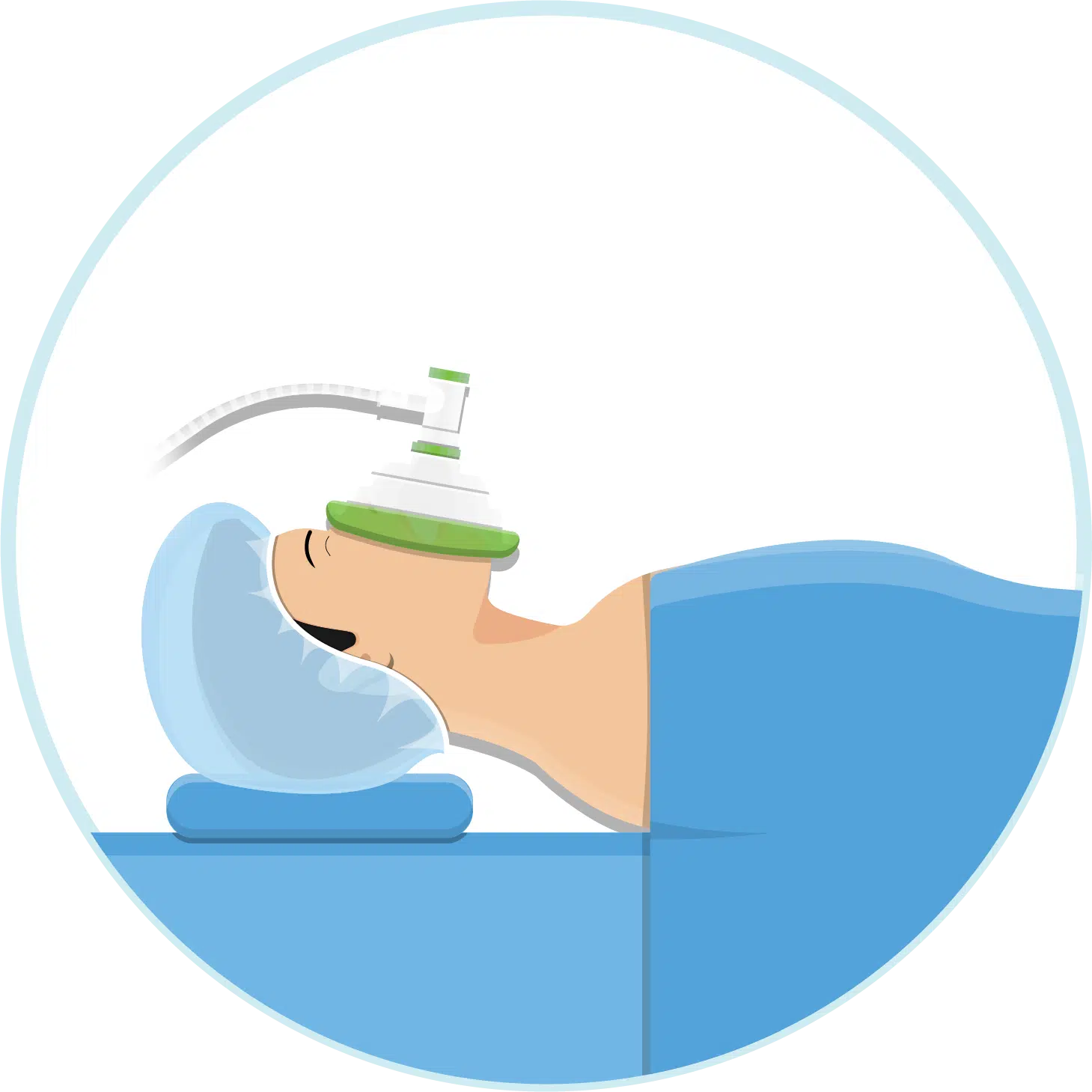
1. Anesthesia
Your surgeon will put you under general anesthesia to keep you sleepy.
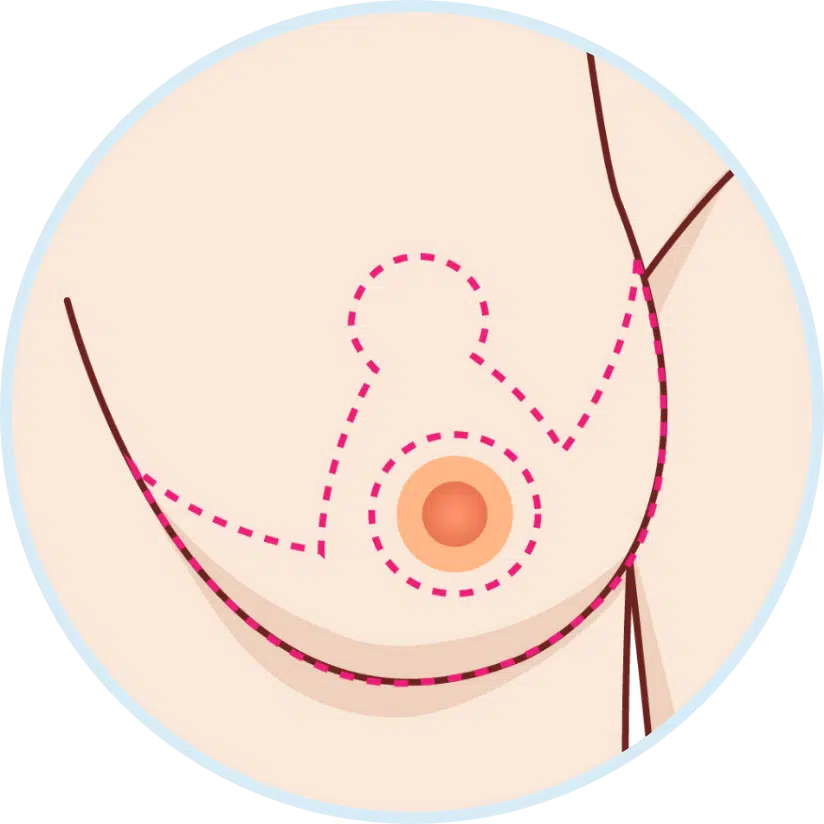
2. Incisions Making
Your surgeon starts by making an incision around your nipple. The incision runs to the breast crease in a straight vertical line. A second incision is sometimes made in the crease beneath the breast. Although the nipple is usually kept connected to its blood and nerve supply, some cases require a “free nipple graft”, which involves the removal and repositioning of the nipple, but this usually happens only for overly larger breasts.
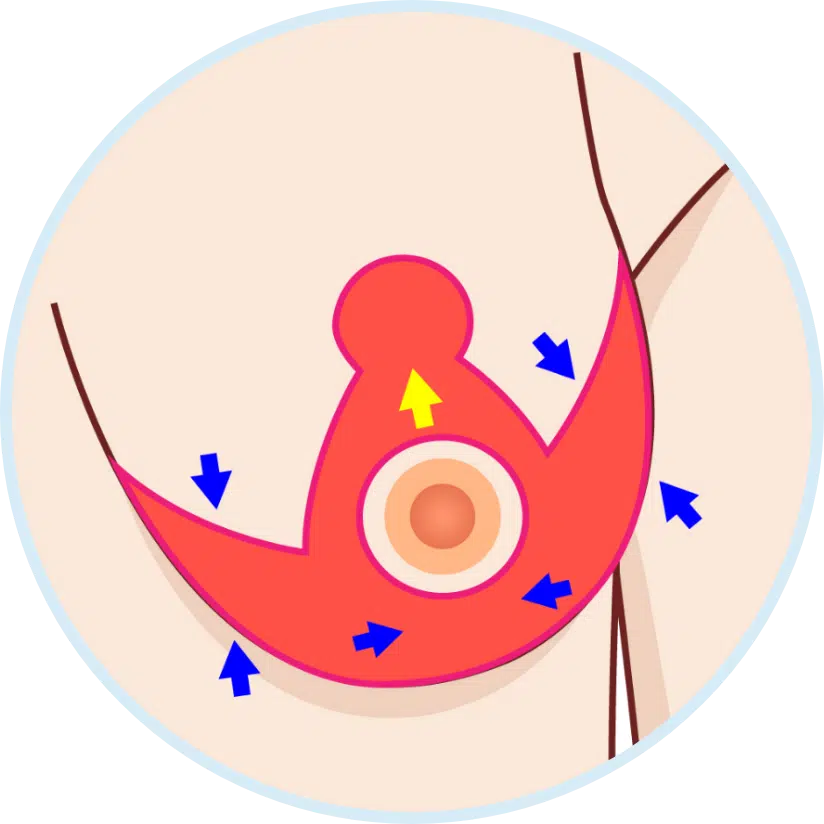
3. Fat Removal
To decrease your breasts’ volume, your doctor will remove skin, fat, and glandular tissue through the incisions. Some surgeons use liposuction to remove extra fat. Also, they can add more support to breasts by putting extra deep stitches.
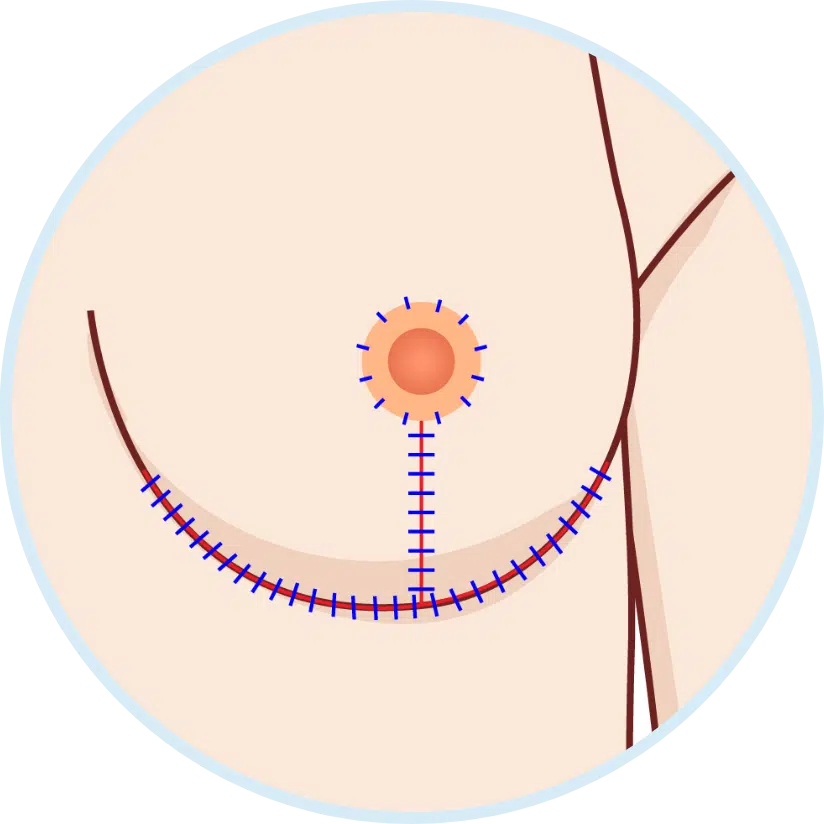
4. Incisions Closure
Finally, your surgeon closes the incisions with stitches.
Recovery After Breast Reduction
You will be able to go home the same day after a brief stay in the clinic or hospital. You will notice a bandage on your chest after the surgery, and nurses may give you a surgical bra before leaving the clinic. Your recovery may involve the following:
You may feel minor discomfort or pain in the first few days; thus, your surgeon will prescribe pain medications for you during this time.
To relieve discomfort, you can put cold packs on top of the bandages.
You can get up and start walking after the surgery, but it is still better to have someone beside you to assist your needs during this time.
You can take shower a few days following surgery, but you will most likely need assistance getting dressed.
The length of your recovery depends on your natural healing rate and the complexity of the surgery.
You can start driving and return to your desk job within a week, especially after you no longer feel pain or take pain medications.
Your cosmetic surgeon will most likely suggest you wait for 3 to 4 weeks before engaging in any activity other than walking to ensure optimal healing.
Risks of Breast Reduction
Breast reduction surgery usually results in scarring, but luckily, these scars will disappear over time and become hard to notice. Other side effects and issues that might arise after the surgery include:
Short or long-term loss of sensation in breasts or nipples
Damage to nerves or blood vessels
Anesthesia-related complications
Infection or bleeding
Bruising or swelling
Blood clots
Contact Information
Get a free consultation and answers to all your questions by completing the form below
Let us contact you
Get a free consultation and answers to all your questions by completing the form below
✓
Success!
Your message has been sent successfully. We will contact you soon.
Thank you
The form has been sent successfully
We will contact you as soon as possible
FAQ's
Candidates for Breast Reduction
Ideal candidates for breast reduction usually have the following characteristics:
Be in good health and without illnesses or major pre-existing medical issues.
Have physical issues related to large breasts, such as back pains or skin irritations.
Be a nonsmoker because smoking affects normal wound healing.
Have realistic expectations.
What type of anesthesia is used for breast reduction surgery?
Breast reduction surgery is performed under general anaesthesia.
Will I stay in the hospital after this surgery?
The patient stays in the hospital one night after the surgery and is discharged the next day.
When I will wear a bra?
Two weeks after the surgery.
Will my nipple sensation be affected after breast reduction surgery?
Nipples sensation will return to normal 3 weeks after the surgery.
Can I return to breastfeeding after breast reduction?
Breast reduction does not affect breastfeeding, so you can practice it normally after the surgery.
×
Get a Free Consultation
International Clinics Guarantees
Reliable medical care provided within our accredited facilities
Final fixed price with no hidden costs
Full medical support with professional interpreters
Clear treatment plans and follow-up at international standards
Personalized assistance throughout the entire treatment journey
We use our own cookies and third-party cookies so that we can display this website and better understand how you use it, with the aim of improving the services we offer. If you continue browsing, we consider that you have accepted the cookies.

 EN
EN AR
AR ES
ES FA
FA FR
FR