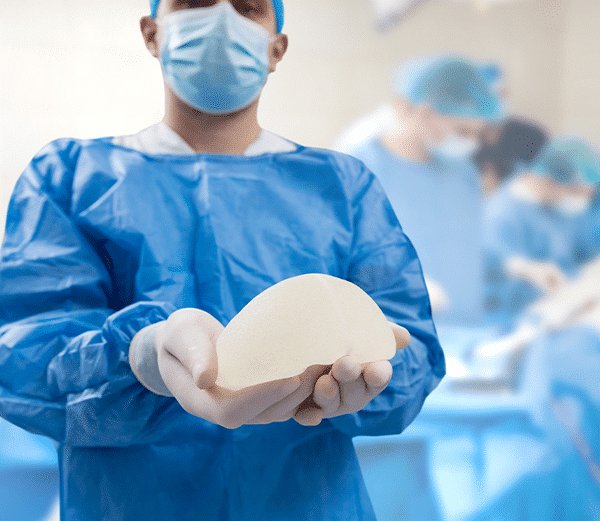
Are you searching for a way to raise and reshape your breasts? What you’re searching for is called “breast lift” or “mastopexy”. This is a cosmetic surgery that can rejuvenate sagging or drooping breasts and restore their beautiful shape.
If your breasts have sagged after pregnancy, a breast lift will make them shapelier or firmer. Indeed, doctors perform breast lifts as part of a “mommy makeover”, which refers to a combination of procedures that aim at restoring the usual body contours of women after childbirth. Next, you will learn all you need to know about breast lifts, including benefits, steps, and risks. Let’s jump straight into it!
Free Consultation
We provide you with free consultations by a specialized team
Breast lift is a highly sought-after procedure for those who seek guaranteed relief from loose or sagging skin around the breasts. In short, the benefits that you will get from a breast lift include:
Get more symmetrical, raised, and better-shaped breasts
Relieve your discomfort and enjoy better posture
Restore your younger appearance
Increase your stamina and exercise mobility
Improve the contour and curves of your breasts
Allow yourself to pick new sexy bras
Boost your mood and self-confidence
Enjoy long-lasting results
Feel like a celebrity!
Candidates for Breast Lift
For starters, you must meet your surgeon to discuss your expectations and start preparations for the surgery. If you are overweight or expecting a child, your surgeon may suggest you postpone your surgery. In any case, the preparations that you should follow for a breast lift include:
Share with your surgeon or doctor all you know about your medical history and the ailments you have or have had in the past.
Be ready also to share the track of any medications you are taking, including herbal supplements and non-prescription medications.
Your doctor will examine your breasts and may take images too. Of course, they will ask you to sign a consent before taking or keeping the images.
Your doctor will take measurements of your height and weight and do the math and necessary calculations to ensure everything is ok.
Exercise and maintain excellent physical health since this will greatly help you recover faster later on.
You need to quit smoking and prepare your house by making everything available for you in close proximity, such as comfortable cushions and clothes.
Because you’ll be under general anesthesia, you’ll need to arrange for someone to drive you home after the surgery.
Finally, you must adhere to pre-operative guidelines, including fasting times; otherwise, your doctor may cancel your treatment.
Steps of Breast Lift
Breast lifts are most often performed under general anesthesia and inside out-patient settings. The surgery takes two to three hours on average, and you can return home the same day. Doctors use multiple techniques to perform this surgery. Based on the physical characteristics of your breasts, your surgeon will tell you about the best technique for your case. Nonetheless, the steps of a breast lift include:
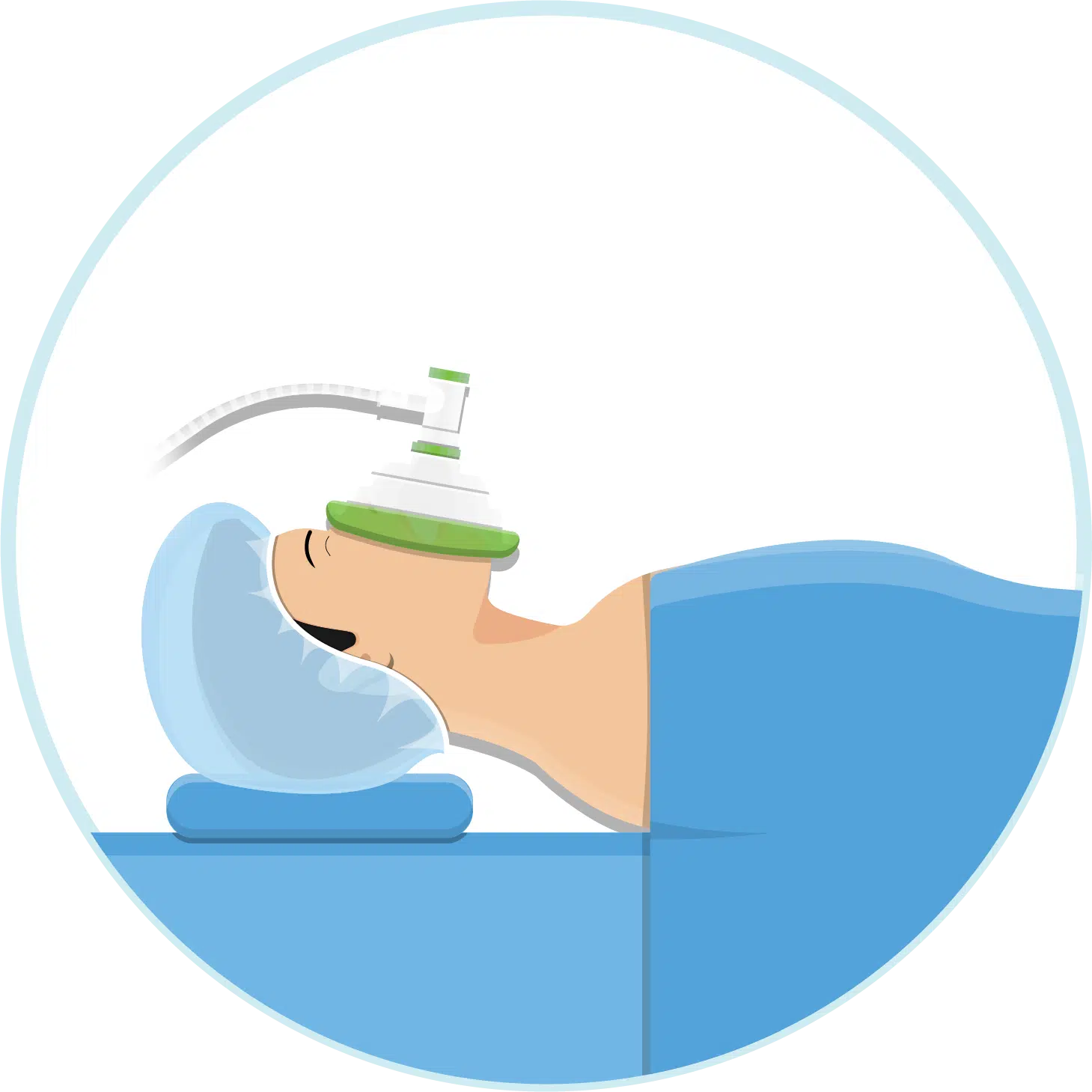
1. Anesthesia
Most likely, your surgeon will administer general anesthesia to put you to sleep.
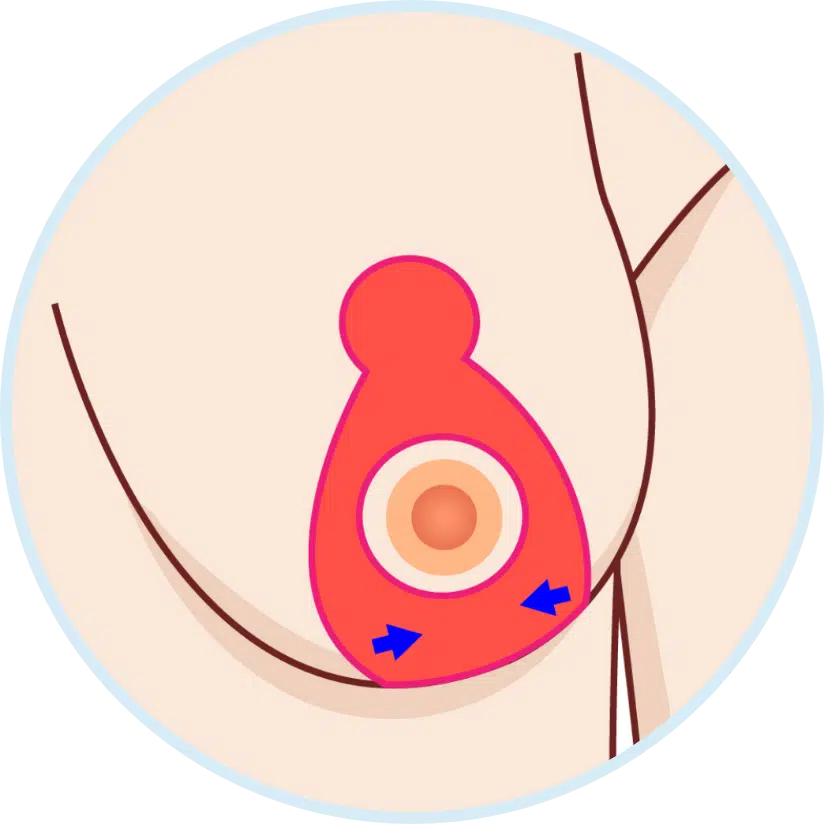
2. Incisions Making
Depending on the used surgical technique, your surgeon may make incisions around the areolae or along the breast creases. Also, they may use sutures to rearrange your breast tissue and, if required, minimize the size of your areolae deep within your breasts. Of course, they will remove excess breast skin and shift the location of your nipples.
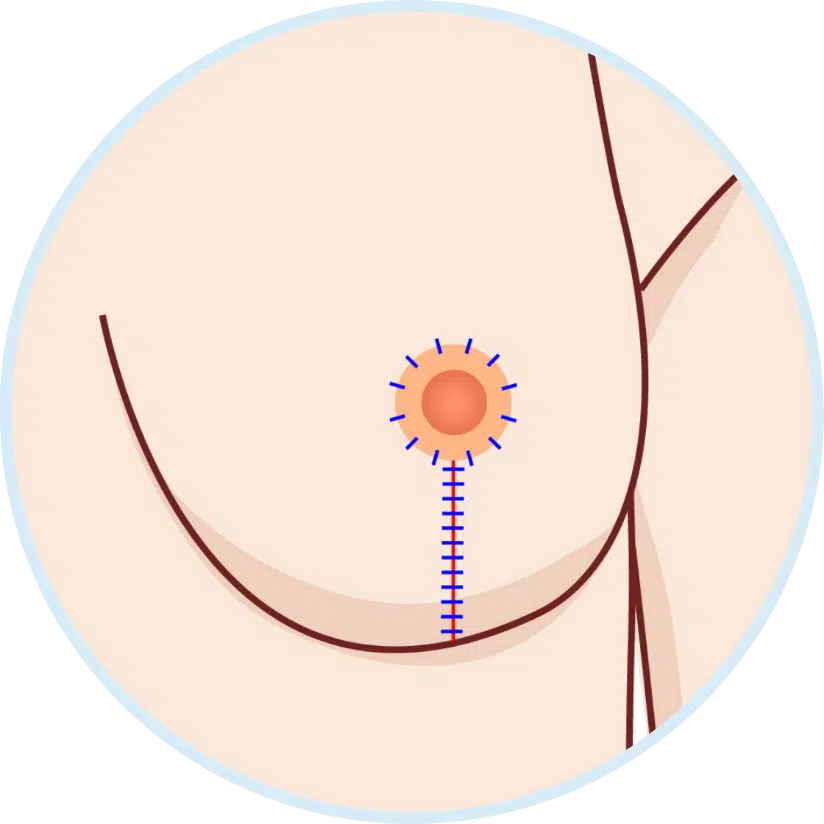
3. Incision Closure
Finally, your doctor will use stitches, surgical tape, or skin adhesives to seal the incisions and pull the breast skin together.
Recovery After Breast Lift
Recovery time varies from one case to another and usually depends on the surgical technique and your overall health. You will be given precise postoperative instructions at the time of discharge, as well as a schedule for follow-up visits with your plastic surgeon. To get a smoother recovery, try to remember the followings:
Avoid vigorous exertion and exercise during the first six weeks. However, mild walking is a great activity after the first week.
You can shower normally while keeping the wound dressing in place. Try to use a towel to pat the dressing dry or use a cold hairdryer to dry it. During this period, do not swim or take a complete bath.
Depending on your kind of employment, you can return to work within two weeks.
After 2 to 3 weeks, you should be ready to resume your daily routine activities.
Regular exercise should help you go back to your usual routine as quickly as possible.
Over the first six months, the results of a breast lift start to appear, the scars fade gradually, and your breasts should grow softer and feel more natural.
You may have some bruising and swelling, as well as a tightness in your chest. This is normal and usually goes away within the first two weeks, although it might last up to a month.
Risks of Breast Lift
Not everyone is a good candidate for a breast lift. You should postpone this surgery if you plan to become pregnant in the near future. During pregnancy, your breasts may expand and cancel the results of breast lift. Like any other surgery, breast lift poses certain risks and possible complications. Although they are rare and easily manageable, you must be aware of them. Here are the risks:
Allergic reaction to anesthesia
Pain or infection
Bleeding or scarring
Blood clots in the legs or lungs
Blood accumulation inside breasts (hematoma)
Fluid accumulation inside breasts (seroma)
Sensation abnormalities in breasts and nipples
Reduced ability to breastfeed (less milk production)
Asymmetrical breasts
Contact Information
Get a free consultation and answers to all your questions by completing the form below
Let us contact you
Get a free consultation and answers to all your questions by completing the form below
✓
Success!
Your message has been sent successfully. We will contact you soon.
Thank you
The form has been sent successfully
We will contact you as soon as possible
FAQ's
Is breast lift painful?
Breast lift causes a mild pain, just like any other cosmetic procedures.
Candidates for Breast Lift
You should have good physical health and a stable weight to be qualified perfectly for breast lift surgery. Also, you need to be:
Concerned about sagging or stretched skin of your breast or having downward-pointing nipples.
Ready to follow your doctor’s instructions before and after the surgery.
Self-motivated and have reasonable expectations.
Does breast sensation fade after breast lift ?
The risk of losing sensation in the breasts after a breast lift surgery actually exists, but the more experienced the plastic surgeon and the better the techniques he uses, the less likely that the nerves in the breast area will be severely damaged during the surgery.
Do I have to follow a special diet after breast lift surgery?
After the surgery, the following is recommended:
– Drink plenty of fluids to wear off the anesthetic effect faster.
– Eat pineapple, celery or drink fruit juice as these things help heal wounds quickly.
– It is better to reduce salt intake for sometime after surgery to prevent swelling.
Should I wear medical bra after breast lift ?
Yes! Wear a special medical bra after the surgery to get best results. These bras restrict the movement of the breast, which protects the stitches, prevents pain, and preserves the breast tissue. Usually, best time to use a medical bra is after removing the drain tubes and when the breasts no longer need bandages.
How long is the recovery period after breast lift surgery?
The recovery period after breast lift surgery is usually two weeks, after which the patient can return to her normal life. However, breast care must be taken for up to two months after breast lift surgery.
×
Get a Free Consultation
International Clinics Guarantees
Reliable medical care provided within our accredited facilities
Final fixed price with no hidden costs
Full medical support with professional interpreters
Clear treatment plans and follow-up at international standards
Personalized assistance throughout the entire treatment journey
We use our own cookies and third-party cookies so that we can display this website and better understand how you use it, with the aim of improving the services we offer. If you continue browsing, we consider that you have accepted the cookies.

 EN
EN AR
AR ES
ES FA
FA FR
FR