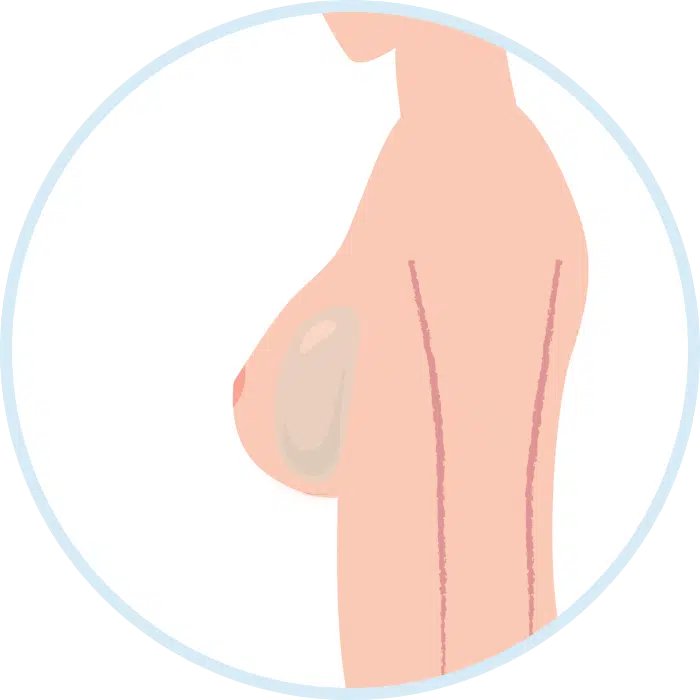
Yes, you can now have larger and fuller breasts without spending much money or exposing yourself to serious risks! Breast augmentation is a safe cosmetic surgery that enlarges your breasts and makes them look more symmetrical.
Doctors usually use implants made of saline or silicone, but if you seek a small increase in breast volume, you can choose fat transfer instead. Interestingly, breast augmentation has become the most common cosmetic procedure in the world!
In the United States, for instance, over 300,000 women choose to undergo this procedure every year. So, you are definitely not alone! Next, you will learn all you need to know about this amazing surgery, including its benefits, steps, and risks. Let’s get into it!
Free Consultation
We provide you with free consultations by a specialized team
The primary benefit of breast augmentation surgery is to get a new glamorous look for breasts. Not only will the surgery increase the size of your breasts, but it will also make them appear perkier and higher on your chest. In short, you will receive multiple benefits from breast augmentation, including:
Get bigger and fuller breasts that certainly look better than small ones.
Improve the symmetry of your breasts, especially if one breast was smaller than the other.
Treat drooping breasts that occur after a pregnancy or severe weight loss.
Boost your self-esteem and feel more youthful.
Add charming curves to your breasts.
Enrich your collections of clothing and sexy bras.
Get more proportional body dimensions.
Allow yourself to feel like celebrities, such as Angelina Jolie and Iggy Azaelea, who underwent this surgery before!
Candidates for Breast Augmentation
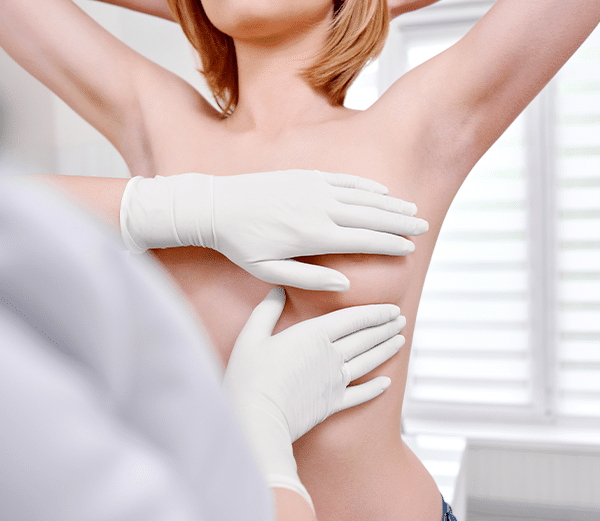
Your surgeon will take measurements for your breasts and discuss your expectations regarding the final breasts’ size and shape. Also, your surgeon may ask you to do certain things to prepare for your breast augmentation. Certainly, following your surgeon’s instructions will make the procedure go more smoothly and help you heal faster. Such instructions may involve:
Undergo lab tests, including a blood test.
Stop taking certain current medications, including aspirin and other medications that cause bleeding.
Quit smoking and avoid alcohol.
Plan for someone to drive you home and to remain with you for at least the first night.
Plan to take, at least, three days off from work.
Steps of Breast Augmentation
The steps of breast augmentation differ according to the type of implant and augmentation. Steps of breast augmentation with implants, for example, are different from that with fat transfer. In any case, here’s a walkthrough of the general steps that surgeons follow during this surgery:
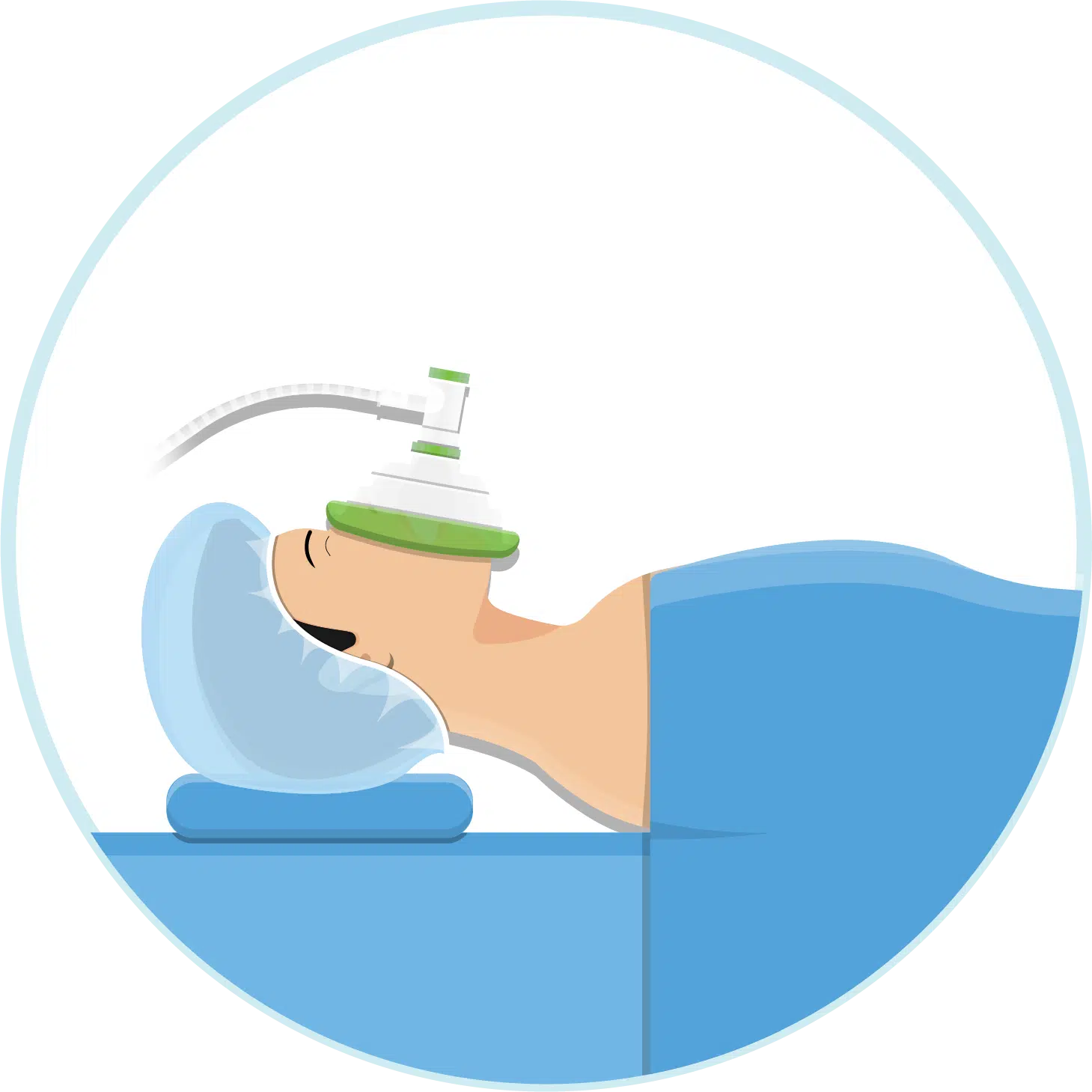
1. Anesthesia
You should be under general anesthesia during this surgery to prevent unwanted pain and discomfort.
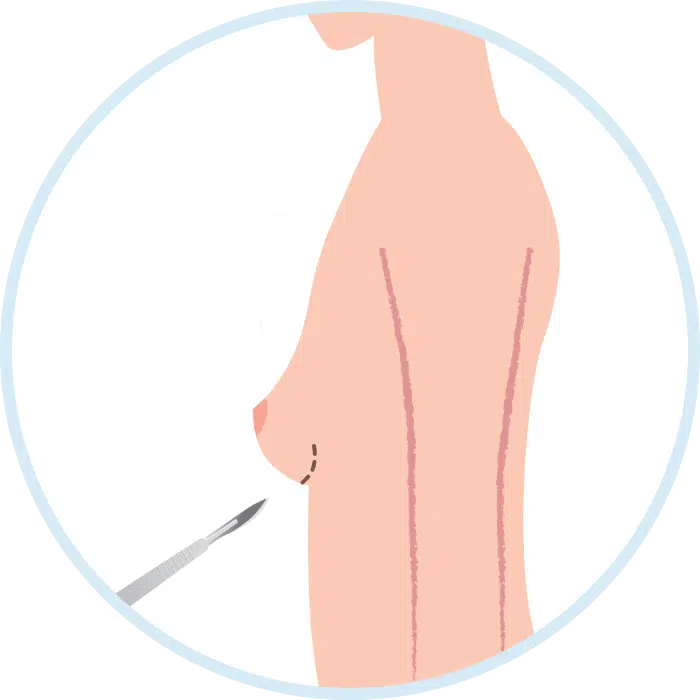
2. Incisions Making
Your surgeon will discuss with you the location of the incision because there are multiple options available for this particular surgery. For instance, they can make an incision in the crease between your breasts or along the edge of your areola, or even through your armpit.
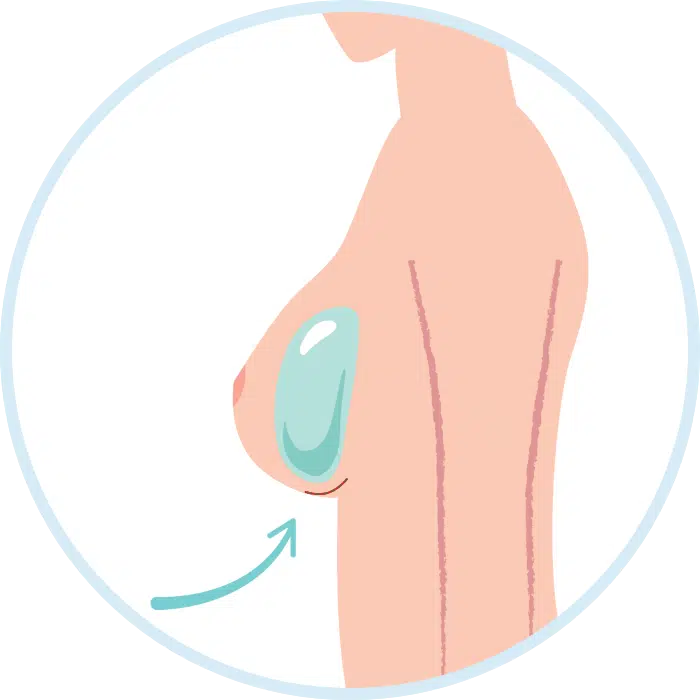
3. Implant Insertion
Your surgeon can place the implant either behind or a front of your chest muscle. Your goals, expectations, and the type of implant are playing role in determining the exact place of the implants. So, there are a lot of things to discuss with your surgeon!
4. Incision Closure
Following the placement of your implants, your surgeon will sew the incision sites and close them with stitches. Also, a gauze bandage will be placed on your breasts, and you may need to wear a special bra following the surgery.
Recovery After Breast Augmentation
Full recovery can take a few weeks, but you should be able to walk and move around quickly after the surgery. Some doctors advocate wearing a sports bra 24 hours a day. Of course, you need to avoid lifting heavy weights and intense activity for at least a month. Nonetheless, here is a quick review of the recovery phase after breast augmentation:
After 1-2 weeks: Your doctor will remove your stitches. However, if your surgeon used dissolvable stitches to seal the incision, you will not need manual removal of stitches.
After 6-7 weeks: Your scars will start to fade away and you certainly can resume most of your routine daily activities.
After 3 months: You might be able to use normal bras and your breasts should start to look and feel more natural. Remember, breast implants are not sensitive to sunbaths and flying, so you can start enjoying your time comfortably!
Risks of Breast Augmentation
Breast augmentation is generally safe and most women express satisfaction with the results. However, some cases may complain of certain side effects and complications, such as:
Infections, bleeding, or blood clots
Allergic reactions to anesthesia or equipment
Thick and apparent scars on the breasts
Hardened breasts due to scar tissue accumulation around the implants
Ruptured implant, which causes lump formation and requires implant removal
Weird-looking breasts due to implant rotations inside the breasts
Abnormal sensations in the nipples
Inability to breastfeed or less milk production
Contact Information
Get a free consultation and answers to all your questions by completing the form below
Let us contact you
Get a free consultation and answers to all your questions by completing the form below
✓
Success!
Your message has been sent successfully. We will contact you soon.
Thank you
The form has been sent successfully
We will contact you as soon as possible
FAQ's
Candidates for Breast Augmentation
If you’re in good physical shape and aren’t a pregnant or breastfeeding mother, you could be a good candidate for breast augmentation. In addition, the surgery is good for you if you:
Have realistic goals and expectations.
Your breasts have reached their maximum growth.
Feel worried or anxious about your small breasts.
Your breasts seem drooping and smaller because of aging, pregnancy, or weight loss.
Feel “empty” in the upper portion of your breasts.
Have asymmetrical or out of proportions breasts.
One or both breasts did not grow properly or have an abnormal shape.
Does the surgery affect breastfeeding?
The surgery can affect lactation; at least in some cases.
Can the surgery lead to tumors growth?
Silicon is not a foreign substance and is commonly used in medicine and in many other fields.
When can I return to work?
You can return to work and to your normal life after 3 days only.
Is it possible for silicone to explode due to exercise or other reasons?
Silicone is a very strong material that does not explode, but it can be affected by a sharp object.
Is teardrop silicone better?
Some women prefer teardrop silicon; others prefer the round shaped.
×
Get a Free Consultation
International Clinics Guarantees
Reliable medical care provided within our accredited facilities
Final fixed price with no hidden costs
Full medical support with professional interpreters
Clear treatment plans and follow-up at international standards
Personalized assistance throughout the entire treatment journey
We use our own cookies and third-party cookies so that we can display this website and better understand how you use it, with the aim of improving the services we offer. If you continue browsing, we consider that you have accepted the cookies.

 EN
EN AR
AR ES
ES FA
FA FR
FR