Botox injections are a non-surgical procedure in which small amounts of botulinum toxin type A are injected into specific muscles to relax them temporarily. They are used to soften dynamic wrinkles on the forehead, between the eyebrows and around the eyes. Botox is also used medically for conditions such as chronic migraine, excessive sweating and teeth grinding.
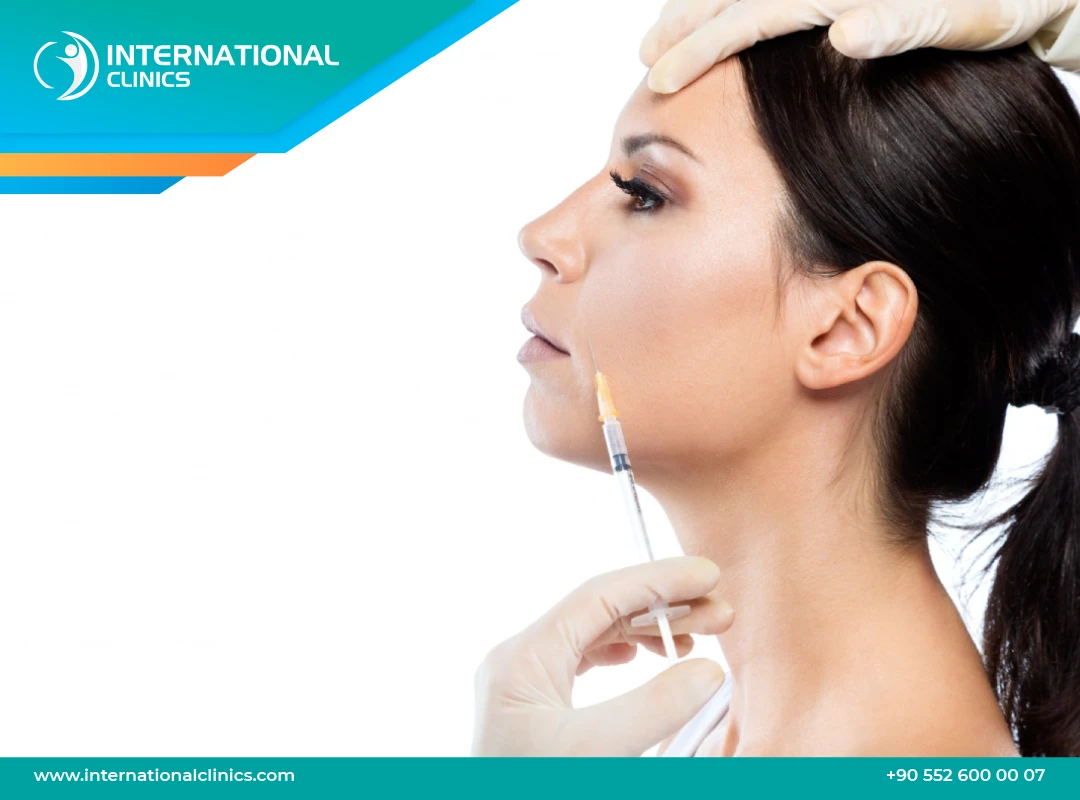
The doctor marks the injection points after assessing facial movement, then injects the product with very fine needles, often without any anaesthesia. A numbing cream or cold compresses may be used to ease discomfort. The procedure involves no surgical incisions and no general anaesthesia.
A session usually lasts 10 to 20 minutes and patients return to their activities immediately, avoiding rubbing the area and strenuous exercise for about a day. The effect begins within three to seven days, and it is usually complete after about two weeks and lasts around three to four months, so repeat sessions are needed to maintain the result.
The final cost is set after a medical consultant reviews your case and photos.
Our medical consultants review all requests regularly, every three hours.
Get a free consultation and answers to all your questions by completing the form below
They soften wrinkles caused by muscle movement and give the face a more relaxed look without major changes to its features. They also have medical uses, such as easing chronic migraine and excessive sweating, depending on the doctor's assessment.
Healthy adults with dynamic wrinkles or a medical condition that calls for treatment. It is not suitable during pregnancy or breastfeeding, or for people with neuromuscular disease or an allergy to its components. The doctor decides after an examination.
Tell the doctor about your medicines and any allergies, avoid alcohol beforehand and ask about blood thinners such as aspirin to reduce bruising, but never stop a prescribed drug unless told to. Fasting is not required.
The skin is cleaned, the doctor marks the points and then injects the dose into the targeted muscles with a fine needle. A session usually takes less than half an hour, and you feel a slight sting.
The pain is mild, similar to a small needle prick, and can be eased with a numbing cream or ice. General anaesthesia is not needed.
No long recovery is needed, and you can usually go back to work the same day. You are advised not to rub the injection sites, to avoid lying down for a few hours and to avoid strenuous exercise and saunas for about 24 hours.
The effect starts after three to seven days and is complete after about two weeks. Results usually last three to four months, though this varies from person to person, and the injections then need to be repeated.
The most common are mild bruising, redness and a temporary headache. Rarely, a temporary droop of the eyelid or eyebrow, or asymmetry, can occur and usually resolves within weeks or months. Choosing a qualified doctor and an appropriate dose reduces these risks. Very rarely the toxin spreads beyond the injection site; difficulty swallowing, speaking or breathing requires emergency care immediately.
They usually leave no scars because fine needles are used without incisions. Small red dots or light bruising may appear and fade within days.
A long stay is usually not needed, and travel is possible in most cases one or two days after the session. The doctor should confirm this, and you may wish to wait for the full effect if you want to judge the result before leaving.