ReLEx SMILE (small incision lenticule extraction) is a laser eye procedure that corrects short-sightedness (myopia) and the astigmatism that often comes with it. Its goal is to reshape the cornea to reduce dependence on glasses or contact lenses.
A femtosecond laser creates a thin, disc-shaped piece of tissue (a lenticule) inside the cornea, and the surgeon removes it through a small incision of a few millimetres. No corneal flap is cut. The procedure is done with numbing eye drops, and each eye takes only a few minutes.
The whole visit usually lasts under an hour. Vision can be blurry at first and improves over the first days, and most people return to desk work after a few days while using eye drops for several weeks. The final, stable result usually appears after about one to three months.
The final cost is set after a medical consultant reviews your case and photos.
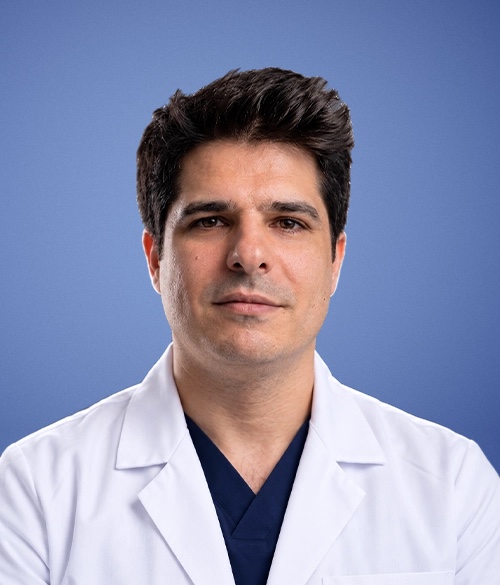

Op. Dr. Önder Aslan is an experienced specialist in ophthalmology. He completed his medical education at Dicle University Faculty of Medicine and specialized in eye diseases. His main areas of expertise include cataract surgery, laser eye treatments, and smart lens procedures. He provides modern and reliable treatments using advanced medical technologies. Dr. Aslan focuses on patient satisfaction and high-quality eye care.
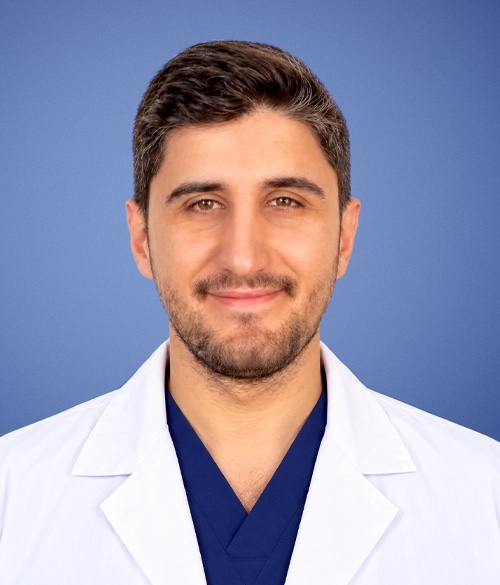
Asst. Prof. Dr. Muhammed Talha Sadık is an ophthalmologist at BHT Clinic Istanbul Tema Hospital. He graduated from Istanbul University Çapa Faculty of Medicine and has worked at Gaziosmanpaşa Yeni Yüzyıl University Hospital and Sultan Abdülmecit Training and Research Hospital. His clinical interests include cataract surgery, refractive surgery, laser treatments and smart lens implantation, as well as pediatric eye examination, strabismus, retinal diseases and retinopathy of prematurity.
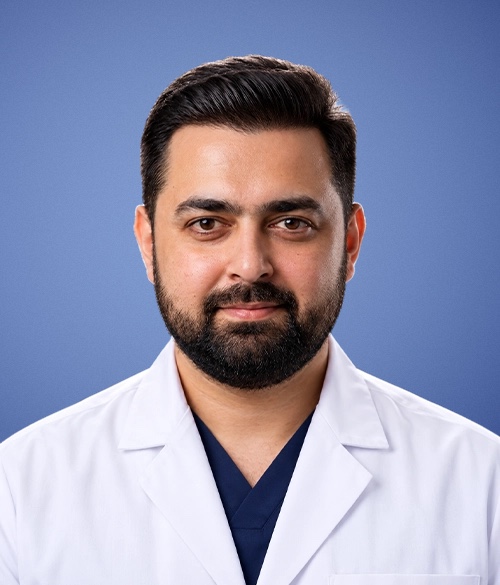
Dr. Muhammet Derda Özer is a Turkish ophthalmologist specializing in the diagnosis and treatment of eye diseases. He completed his medical education and ophthalmology residency at Istanbul University Istanbul Faculty of Medicine. Dr. Özer currently practices at Liv Hospital Ulus in Istanbul, where he provides advanced eye care services. His main areas of expertise include retina diseases, uveitis, ocular oncology, and cataract surgery. With more than eight years of clinical experience, he is also known for his scientific publications and academic contributions in ophthalmology. He focuses on p...
Our medical consultants review all requests regularly, every three hours.
Get a free consultation and answers to all your questions by completing the form below
It corrects short-sightedness and related astigmatism and reduces the need for glasses or contact lenses. Because it uses a small incision and no corneal flap, it may be linked to less dry eye in some patients, and visual recovery is usually quick.
Usually adults whose prescription has been stable for about a year, with healthy corneas of sufficient thickness and no active eye disease. A full eye examination is always needed to decide.
You have a complete eye exam with corneal mapping. You are usually asked to stop wearing contact lenses for a period set by the doctor (longer for hard lenses), avoid make-up and perfume on the day, and arrange for someone to accompany you.
The laser forms a thin piece of tissue inside the cornea, then the surgeon removes it through a small incision. This changes the curvature of the cornea and improves focus. No corneal flap is created.
It is done under numbing drops, so most patients feel only mild pressure. A light sedative may be offered if needed. After the drops wear off, burning, scratchiness or watering can occur for a few hours.
Anti-inflammatory and lubricating drops are used for several weeks. You should avoid rubbing your eyes, swimming, eye make-up and strenuous sport for the period the doctor advises, and attend follow-up checks.
Vision improves within the first days and usually stabilises in about one to three months. The correction is generally long-lasting, but eyes can change with age, so a result that never changes cannot be guaranteed.
They may include temporary dry eye, glare or halos at night, under- or over-correction, and, rarely, infection or the need for a later touch-up. Your doctor explains how these apply to your case.
Often a few days. The doctor confirms the right time at the first follow-up check, once vision is stable and there are no signs of inflammation.
The procedure corrects short-sightedness but does not stop age-related loss of near focus, so you may need reading glasses from around your forties, like people who have not had surgery.