- What is Sepsis?
- Why Choose International Clinics for Sepsis Care?
- Key Early Signs and Symptoms of Sepsis
- Primary Causes and Risk Factors of Sepsis
- The Progressive Stages of Sepsis
- Pros & Cons of Pharmacological Treatment Protocols
- Essential Steps for Recovery and Rehabilitation
- Real Patient Stories: Overcoming the Infection
- Your Guide to Booking a Comprehensive Medical Evaluation
- Expert Tips
- Conclusion
Sepsis
Sepsis (Sepsis) is a life-threatening medical emergency demanding immediate intervention to protect vital functions. Fortunately, International Clinics provides exceptional critical care to ensure rapid recovery.
What is Sepsis?
Sepsis is an extreme, potentially fatal immune response triggered by a severe bacterial or viral infection. Consequently, this violent reaction causes widespread inflammation, leading to rapid tissue damage and organ failure if untreated. (According to WHO, sepsis is a critical medical emergency threatening millions globally).
Why Choose International Clinics for Sepsis Care?
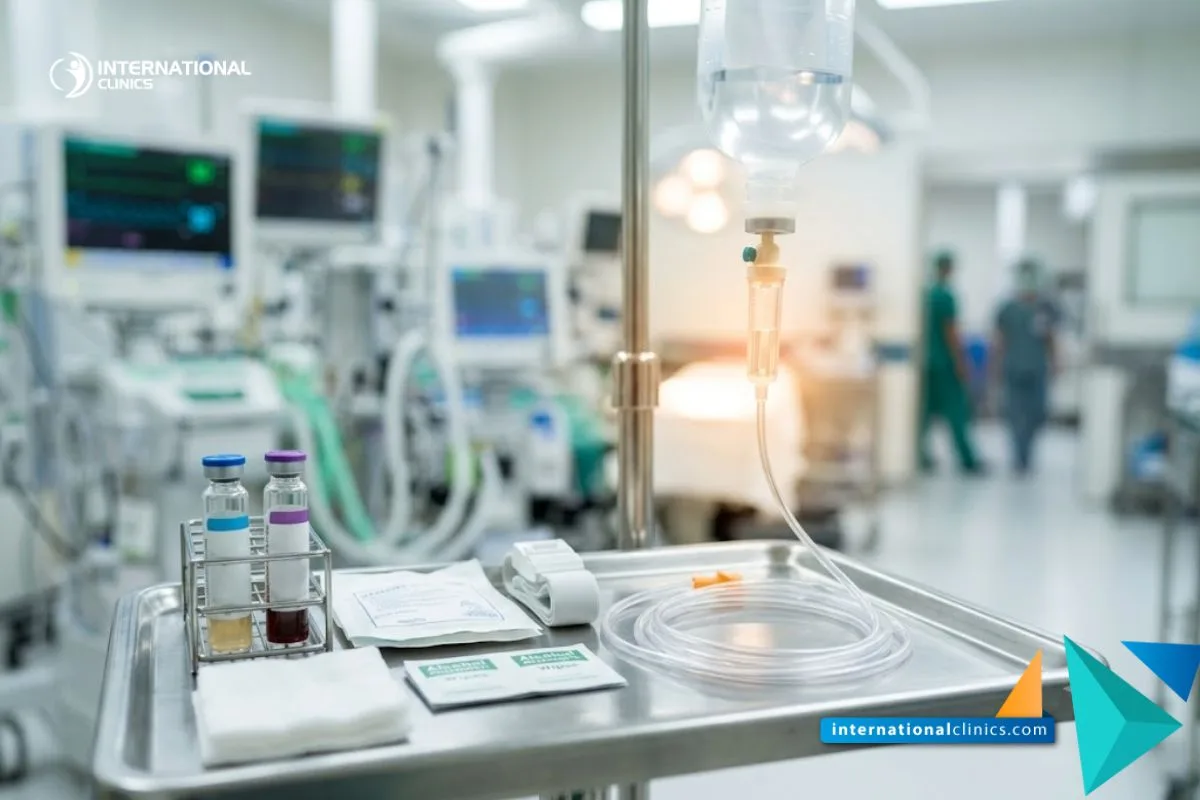
Selecting the right medical facility is the most crucial factor in surviving sepsis and preventing long-term complications. Moreover, at International Clinics, we offer comprehensive, state-of-the-art critical care solutions designed to stabilize patients swiftly and effectively, ensuring maximum safety.
Choosing specialized care for sepsis guarantees better outcomes and immediate life-saving medical interventions.
Medical Expertise: Continuous supervision by world-class, highly experienced critical care specialists.
Accurate Diagnostics: Rapid identification of the infection source using advanced laboratories.
Intensive Care: Close monitoring in fully equipped, modern intensive care units.
Global Accreditation: Adherence to strict international quality and safety medical standards.
Rapid Response: Immediate administration of intravenous antibiotics and essential life-saving fluids.
Customized Treatment: Tailored therapeutic plans addressing each patients specific health condition.
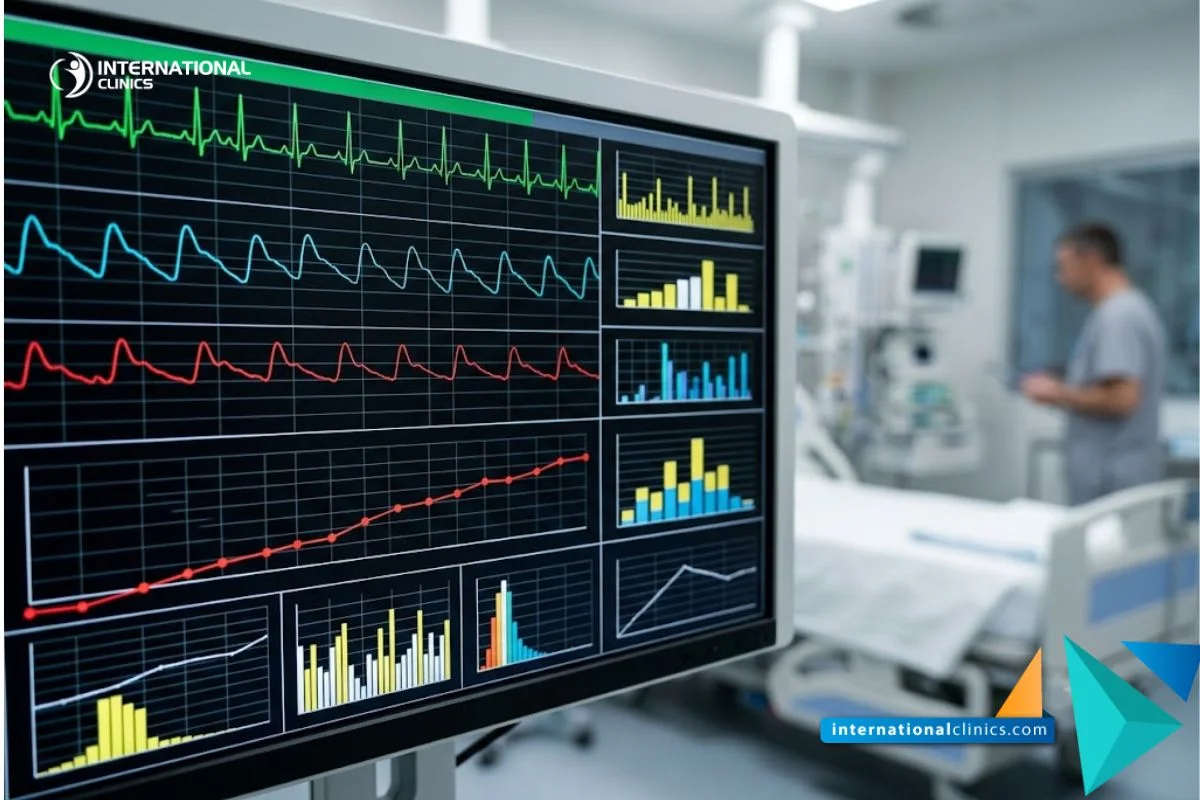
Continuous Monitoring: Ensuring stable vital signs to prevent any sudden relapses.
Sterile Environment: Maximum protection against hospital-acquired infections through rigorous hygiene protocols.
Trusting our dedicated medical team ensures overcoming sepsis with maximum safety and clinical confidence.
"Delaying the diagnosis and treatment of sepsis exponentially multiplies the health risks. Therefore, at International Clinics, we implement rapid intervention protocols proven to save lives and achieve remarkable recovery rates."
— Senior Critical Care Surgeon at International Clinics
Key Early Signs and Symptoms of Sepsis
Recognizing the early warning signs of sepsis is absolutely vital to halt organ deterioration. Furthermore, these symptoms emerge suddenly and progress rapidly, requiring immediate medical evaluation at the first sign of abnormal physical distress to prevent catastrophic organ failure.
Identifying the primary symptoms of sepsis facilitates prompt intervention and prevents fatal complications.
High Fever: Experiencing a sudden, abnormal spike in core body temperature.
Severe Chills: Uncontrollable shivering despite the presence of a high fever.
Rapid Pulse: A noticeable, dangerous increase in resting heart rate levels.
Breathing Difficulty: Facing severe shortness of breath and elevated respiratory rates.
Mental Confusion: Observing a sudden drop in cognitive awareness or disorientation.
Excessive Sweating: Developing cold, clammy skin without any physical exertion justification.
Muscle Pain: Feeling generalized physical discomfort and extreme joint aches consistently.
Low Pressure: Registering a sharp drop in blood pressure indicating shock.
Recognizing these warning signs of sepsis early significantly boosts the overall chances of survival.
Primary Causes and Risk Factors of Sepsis
This critical condition typically originates from a preexisting infection that the immune system fails to control. However, any microbial invasion can trigger sepsis, making the identification of the primary source a medical priority. (According to Cleveland Clinic, pneumonia and urinary tract infections are frequent triggers).
Understanding the underlying causes of sepsis helps in formulating a highly accurate treatment plan.
Pneumonia: Severe respiratory infections acting as a major systemic immune catalyst.
Urinary Infections: Bacteria spreading rapidly from the kidneys or bladder into blood.
Abdominal Infections: Issues like appendicitis or liver disease exacerbating systemic infections.
Open Wounds: Bacteria entering through severe skin lacerations or deep burns.
Intravenous Catheters: Microbes transmitting through medical tubes used for prolonged periods.
Weakened Immunity: Higher susceptibility in patients with chronic diabetes or advanced cancer.
Viral Infections: Aggressive viruses triggering destructive immune responses against healthy cells.
Meningitis: Brain membrane infections directly and rapidly impacting the systemic bloodstream.
Avoiding these primary triggers of sepsis requires proactive healthcare and maintaining strong bodily immunity.
The Progressive Stages of Sepsis
The trajectory of this complex disease involves a series of escalating stages that become increasingly dangerous. Consequently, understanding these progressive shifts enables specialists at International Clinics to intervene rapidly before circulatory shock occurs, ensuring organs remain fully oxygenated.
Tracking the clinical stages of sepsis determines the immediate required emergency medical intervention level.
| Clinical Stage | Medical Description | Risk Level |
| Early Sepsis | Localized infection accompanied by fever and notably rapid resting pulse | Moderate |
| Severe Sepsis | Vital organs affected, accompanied by a dangerous drop in pressure | High |
| Septic Shock | Severe hypotension unresponsive to fluids, causing critical tissue ischemia | Critical |
| Organ Dysfunction | Multiple organ failure involving kidneys, liver, heart, and the lungs | Extreme |
| Recovery Phase | Gradual stabilization of vital organs after successful intensive antibiotic therapy | Monitored |
Detecting the early stages of sepsis decisively improves patient survival and long-term recovery rates.
Pros & Cons of Pharmacological Treatment Protocols
Administering aggressive pharmacological treatments for sepsis offers immense life-saving benefits alongside some potential side effects. Moreover, the urgent nature of the condition makes these immediate medical interventions an absolute, non-negotiable necessity to prevent death. (According to WHO, prompt antibiotic therapy is the cornerstone of survival).
Evaluating the pharmacological treatments for sepsis highlights the balance between rapid intervention and risks.

| Advantages (Benefits) | Disadvantages (Risks) |
| Rapid Control: Effectively stopping the systemic spread of the dangerous infection. | Allergic Reactions: Potential hypersensitivity to certain types of strong intravenous antibiotics. |
| Pressure Stabilization: Significantly improving blood circulation and overall vascular function rapidly. | Vein Damage: Irritation caused by prolonged use of concentrated intravenous fluids. |
| Organ Support: Shielding the kidneys and heart from impending catastrophic failure. | Temporary Impairment: Transient kidney stress resulting from aggressive medication processing phases. |
| Life Saving: Drastically reducing mortality rates associated with severe systemic bodily infections. | Extended Stay: The necessity of remaining in intensive care for several weeks. |
| Pain Relief: Providing comprehensive physical comfort and distress management for affected patients. | General Weakness: Experiencing extreme fatigue and lethargy post-recovery for several months. |
Ultimately, the life-saving advantages of treating sepsis far outweigh the temporary pharmacological side effects.
Essential Steps for Recovery and Rehabilitation
The recovery journey from sepsis demands absolute commitment to strict medical guidelines to ensure optimal healing. Furthermore, rebuilding the bodys strength takes time, requiring immense patience and continuous support from specialized rehabilitation teams to restore normal bodily functions completely.
Following these comprehensive restorative steps guarantees a safe and stable recovery from severe sepsis.
Continuous Monitoring: Ensuring stable vital functions after leaving the intensive care.
Completing Antibiotics: Preventing the aggressive bacterial infection from returning or resisting.
Physical Therapy: Restoring muscle strength safely after prolonged periods of bed rest.
Proper Nutrition: Boosting the immune system with essential vitamins and vital proteins.
Total Rest: Giving the body adequate time to completely regenerate damaged cells.
Fluid Intake: Improving kidney functions and flushing harmful toxins from the bloodstream.
Psychological Support: Overcoming post-illness trauma and effectively reducing anxiety and mental stress.
Regular Checkups: Conducting comprehensive tests to confirm all organs function perfectly normally.
Adhering strictly to these recovery protocols from sepsis ensures safely regaining your health fully.
Real Patient Stories: Overcoming the Infection
The narratives of those who successfully survived sepsis highlight the critical importance of rapid medical intervention. Additionally, these experiences prove that early diagnosis at International Clinics is the decisive factor for full recovery, providing hope for incoming critical patients.
"My ordeal began with unjustified exhaustion and a severe fever that resisted all painkillers. Fortunately, I rushed to the emergency room, and thanks to the prompt response of the doctors at International Clinics, I was diagnosed early. The urgent intervention truly saved my life."
— Michael, 45
"Following a minor surgery, I developed a wound infection that rapidly progressed systematically. The intensive care at International Clinics was exceptional. Their continuous medical support helped me safely pass the danger zone and eventually regain my full physical strength."
— Sarah, 38
Your Guide to Booking a Comprehensive Medical Evaluation
Booking a specialized consultation to evaluate symptoms of sepsis is a highly proactive step to protect your life. Consequently, at International Clinics, we ensure a seamless and rapid admission process for immediate critical care, bypassing traditional waiting times.
Initiating this streamlined booking process guarantees immediate life-saving care for suspected cases of sepsis.
Immediate Contact: Calling our emergency services directly to request urgent medical assistance.

Initial Assessment: Determining the severity of the medical condition and required speed.
Booking Appointment: Arranging an urgent and immediate reception in the hospitals emergency.
File Preparation: Gathering medical history and current medications to accelerate clinical diagnosis.
Urgent Tests: Conducting comprehensive laboratory blood tests immediately upon patient arrival.
Precise Diagnosis: Identifying the exact source of infection by a critical consultant.
Treatment Plan: Commencing the administration of fluids and antibiotics without any delay.
Close Follow-up: Monitoring the bodys response to the therapeutic protocol very closely.
Promptly arranging an emergency evaluation for sepsis represents a crucial decision to avert complications.
Expert Tips
We have compiled the most actionable advice to help you avoid sepsis complications effectively. Moreover, integrating these highly protective habits into your daily life strengthens your immune defenses significantly against sudden severe bacterial or viral microbial attacks.
Implementing these practical daily guidelines is essential for preventing the dangerous onset of sepsis.
Watch Temperatures: If you experience a sudden, persistent fever, see a doctor.
Sterilize Wounds: Always clean cuts to prevent external bacteria from entering easily.
Finish Medication: Even if you feel better, never stop your prescribed antibiotics.
Stay Hydrated: Drink plenty of water to help your kidneys flush toxins.
Boost Immunity: Eat healthy foods and take vitamins to fight severe infections.
Check Pulse: Pay attention if your heart races noticeably without physical effort.
Wash Hands: Remember that continuous hand hygiene is always your first defense.
Consult Doctors: If you have chronic illnesses, treat any inflammation very quickly.
Following these simple daily proactive practices helps you successfully avoid the risks of sepsis.
Conclusion
In conclusion, Sepsis (Sepsis) represents a formidable medical challenge requiring high awareness and extremely rapid intervention. Therefore, International Clinics stands completely ready to provide life-saving medical care with the highest global standards. Never hesitate to seek immediate medical help when warning signs appear to protect your future.