- Necrotizing Enterocolitis
- What is Necrotizing Enterocolitis?
- Why International Clinics Excels in Critical Neonatal Care
- Early and Late Symptoms of the Disease
- Major Causes and Inherent Risk Factors
- Diagnostic Protocols and Medical Imaging
- Medical Management Vs. Surgical Intervention
- The Recovery Timeline and Neonatal Rehabilitation
- Real Patient Stories
- Comprehensive Medical Services and Booking
- Expert Pro-Tips
- Conclusion
Necrotizing Enterocolitis
Necrotizing Enterocolitis (Necrotizing Enterocolitis) is undisputedly one of the most critical gastrointestinal emergencies affecting premature infants globally. Consequently, International Clinics provides the highest level of specialized, multidisciplinary care to effectively mitigate its life-threatening complications.
What is Necrotizing Enterocolitis?
Necrotizing Enterocolitis is a devastating, acute inflammatory disease of the gastrointestinal tract that primarily targets premature newborns. Moreover, this severe condition causes the delicate intestinal tissue to become profoundly inflamed and ultimately undergo necrosis. Consequently, this leads to potential bowel perforation and dangerous systemic infections requiring immediate, aggressive medical intervention.
Why International Clinics Excels in Critical Neonatal Care
Choosing the right facility for Necrotizing Enterocolitis is undeniably crucial for neonatal survival and complete recovery.
Rapid Diagnostics: Advanced imaging identifies intestinal damage instantly to prevent delays.
NICU Excellence: Fully equipped intensive care specifically designed for extreme preemies.
Expert Surgeons: World-class pediatric surgical specialists remain on standby constantly.
Continuous Monitoring: Vital signs are tracked 24/7 to prevent rapid deterioration.
Nutritional Protocols: Specialized intravenous feeding is utilized to allow intestinal healing.
Infection Control: Strict isolation protocols are enforced to prevent secondary sepsis.
Family Support: Comprehensive psychological counseling is provided for distressed parents continuously.
Transparent Pricing: Clear costs are outlined for extended neonatal intensive care stays.
Trusting our specialized team ensures the absolute best outcomes for Necrotizing Enterocolitis.
"Early detection and the immediate cessation of enteral feeding are the cornerstones of surviving Necrotizing Enterocolitis. Furthermore, rapid medical intervention effectively prevents advanced tissue necrosis and protects the fragile intestinal lining from permanent damage."
— Senior Pediatric Surgeon at International Clinics
Early and Late Symptoms of the Disease
Identifying the clinical signs of Necrotizing Enterocolitis rapidly is essential to prevent life-threatening complications.
Abdominal Distension: Sudden, severe swelling and uncomfortable tightness of the belly.
Feeding Intolerance: Inability to digest milk, resulting in significant gastric residuals.
Bilious Vomiting: Expelling alarming green or yellow fluid from the stomach.
Bloody Stools: Presence of visible or occult blood in the infants diapers.
Profound Lethargy: Noticeable decrease in physical activity and overall sensory responsiveness.
Apnea Spells: Temporary cessation of breathing requiring immediate, vigorous physical stimulation.
Temperature Instability: Sudden fluctuations resulting in unexpected hypothermia or high fever.
Abdominal Discoloration: Redness or a bluish tint appearing on the abdominal skin.
Monitoring these vital indicators drastically improves the overall prognosis of Necrotizing Enterocolitis.
Major Causes and Inherent Risk Factors
Understanding the triggers of Necrotizing Enterocolitis helps in formulating highly effective preventative strategies for neonates. (According to WHO, extreme prematurity and low birth weight represent the most significant risk factors for neonatal mortality and bowel diseases).
Extreme Prematurity: Underdeveloped intestinal lining is highly susceptible to ischemic damage.
Formula Feeding: Artificial milk introduces significantly heavier stress on immature guts.
Hypoxic Events: Oxygen deprivation during difficult births directly damages delicate intestinal tissues.
Bacterial Colonization: Pathogenic microbes proliferating rapidly within the otherwise sterile neonatal gut.
Low Birth Weight: Infants born weighing under 1500 grams are exceptionally vulnerable.
Congenital Defects: Poor systemic circulation leads to severely compromised intestinal blood flow.
Blood Transfusions: Rapid shifts in blood volume triggering unexpected, severe intestinal ischemia.
Microbiome Imbalance: Lack of beneficial flora failing to protect the mucosal barrier.
Mitigating these specific vulnerabilities is incredibly crucial to actively preventing Necrotizing Enterocolitis.
Diagnostic Protocols and Medical Imaging
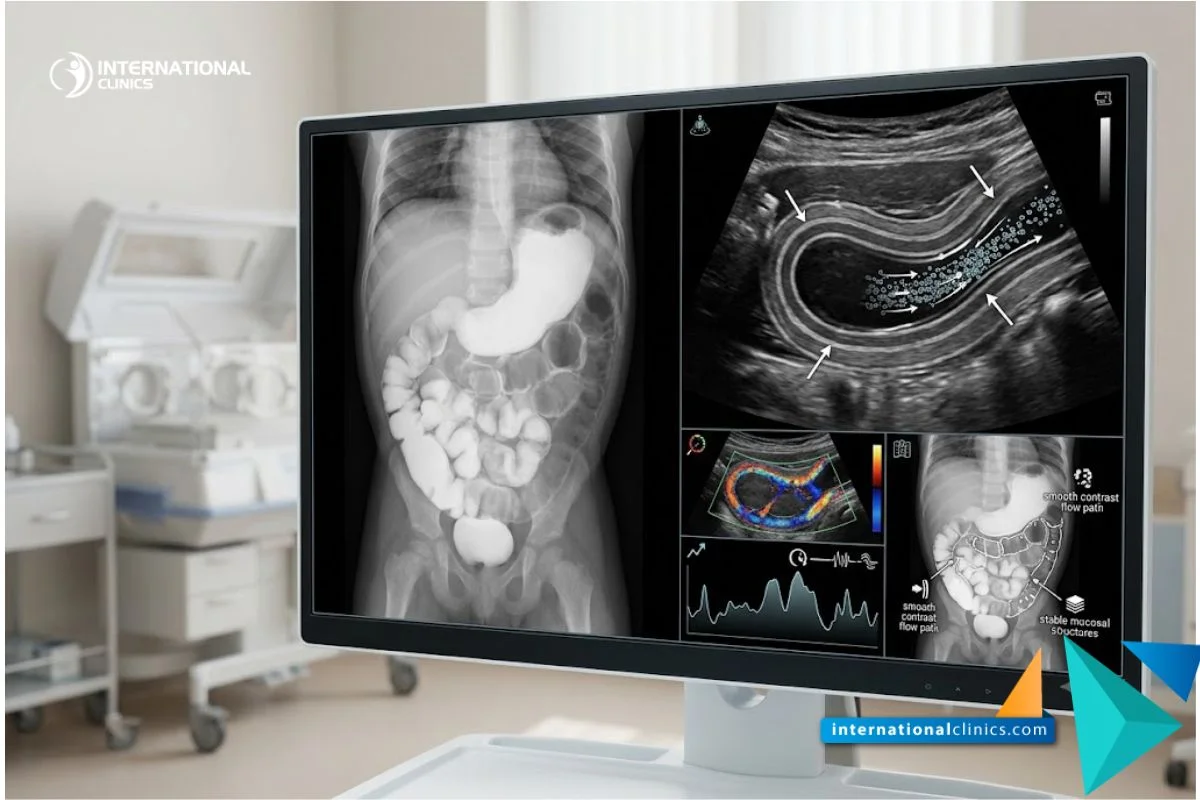
Accurate diagnosis of Necrotizing Enterocolitis relies entirely on precise, high-resolution imaging and comprehensive laboratory testing. (According to Cleveland Clinic, abdominal X-rays remain the absolute gold standard for identifying necrotic bowel gas in infants).
| Diagnostic Tool | Clinical Objective |
| Abdominal X-rays | Detecting the presence of abnormal gas within the bowel wall. |
| Complete Blood Count | Evaluating systemic inflammatory response and severe bacterial infection levels. |
| Blood Gas Analysis | Measuring crucial acidity and oxygen levels to detect metabolic acidosis. |
| Fecal Occult Blood | Uncovering hidden intestinal bleeding that is not visibly apparent. |
| Bowel Ultrasound | Assessing intestinal motility and detecting compromised blood flow patterns. |
| C-Reactive Protein | Measuring the exact intensity of acute inflammation within the body. |
These comprehensive diagnostic measures definitively confirm the severity of Necrotizing Enterocolitis.
Medical Management Vs. Surgical Intervention
The overarching treatment strategy for Necrotizing Enterocolitis carefully balances conservative medical therapies against urgent surgical procedures. Therefore, the medical team must constantly evaluate the infants vital stability.
| Medical Management (Pros) | Surgical Intervention (Cons & Risks) |
| Non-Invasive: Avoids the immense physical trauma of major neonatal surgery. | Delay Risks: Potential for rapid worsening of tissue necrosis if unsuccessful. |
| Intestinal Rest: Intravenous feeding powerfully stimulates the bodys natural self-healing. | Nutritional Deficits: Prolonged fasting may severely delay the infants physical growth. |
| Infection Control: Broad-spectrum antibiotics rapidly neutralize life-threatening systemic blood infections. | Drug Toxicity: Heavy antibiotic use can negatively impact neonatal kidney function. |
| Complete Resection: Instantly removes dead tissue and definitively halts septic shock. | Short Bowel: High risk of chronic malabsorption and long-term digestive difficulties. |
| Peritoneal Drainage: Relieves dangerous abdominal fluid pressure without requiring extensive surgery. | Hidden Abscesses: Possibility of microscopic infected tissues remaining dangerously behind. |
Choosing the optimal clinical path ensures significantly higher survival rates in Necrotizing Enterocolitis.

The Recovery Timeline and Neonatal Rehabilitation
The complex recuperation journey from Necrotizing Enterocolitis demands immense patience and meticulously phased medical care. (According to WHO, the immediate cessation of enteral feeding significantly improves the overall survival rates in acute gastrointestinal emergencies).
Bowel Rest: Strict cessation of all oral feeding immediately upon suspected diagnosis.
Intravenous Nutrition: Delivering essential calories and life-sustaining nutrients directly into veins.
Antibiotic Therapy: Eradicating systemic infections effectively with powerful, broad-spectrum intravenous medications.
Gastric Decompression: Removing excess trapped air and fluids via a specialized tube.
Vital Stabilization: Ensuring perfectly steady heart rates and optimal blood oxygen levels.
Gradual Reintroduction: Slowly restarting breast milk in highly controlled, microscopic doses.
Radiographic Monitoring: Taking serial X-rays to confirm the internal healing process continuously.
Discharge Preparation: Allowing patients to finally go home once weight gain stabilizes.
Following these strict recovery phases successfully and permanently overcomes Necrotizing Enterocolitis.
Real Patient Stories
The remarkable success stories at International Clinics vividly highlight our medical teams exceptional proficiency in handling the most severe neonatal emergencies. Consequently, achieving a complete recovery from Necrotizing Enterocolitis underscores the profound importance of rapid intervention and highly specialized care that actively saves the lives of premature infants every single day.
Baby Leos Journey: Triumph Through Conservative Medical Therapy
"My son Leo was born prematurely at just thirty-one weeks. Initially, everything seemed fine, but after a few days, we noticed a sudden, alarming distension in his tiny belly and an unusual lethargy. Furthermore, he stopped tolerating his feeds entirely. We immediately rushed him to International Clinics, where the brilliant neonatal specialists diagnosed him with early-stage Necrotizing Enterocolitis. Because of their incredibly swift response, they stopped his feeds instantly and initiated aggressive intravenous antibiotics and nutrition. Thankfully, we completely avoided the need for a terrifying surgery. After three grueling weeks in the NICU, Leo slowly began accepting my breast milk again. Today, he is a thriving, energetic baby, and we owe his life to the rapid, conservative medical protocols implemented by the clinic."
Baby Mias Story: The Life-Saving Emergency Surgical Intervention
"We were absolutely devastated when the doctors gently informed us that our fragile daughter, Mia, had suffered a severe intestinal perforation due to advanced Necrotizing Enterocolitis. Moreover, her vital signs were crashing, and she required an immediate, life-saving surgery. The expert pediatric surgeons at International Clinics performed a highly delicate operation, successfully removing the necrotic portion of her bowel with astonishing precision. The postoperative recovery period was undeniably long, terrifying, and fraught with anxiety. However, the relentless medical care, combined with the profound psychological support we received from the entire staff, guided us through our darkest hours. Mia is now eighteen months old, growing beautifully, and experiencing absolutely no long-term digestive complications."
Comprehensive Medical Services and Booking
Securing immediate, world-class treatment for Necrotizing Enterocolitis is a highly streamlined and efficient process at our advanced facilities.
Emergency Consultations: Immediate access to top-tier pediatric surgeons on call 24/7.
Advanced Diagnostics: Utilizing state-of-the-art imaging for perfectly accurate, instant medical assessments.

Tailored Plans: Creating customized, life-saving treatment protocols for every unique infant.
Premium Incubators: Providing the safest, most technologically advanced neonatal intensive care environments.
Surgical Excellence: Executing highly delicate bowel resections with unparalleled, world-class surgical precision.
Ongoing Evaluations: Continually monitoring the digestive systems functional recovery journey post-treatment.
Family Counseling: Delivering essential psychological and educational support to highly distressed parents.
Clear Billing: Offering transparent financial packages without any unexpected or hidden fees.
Partnering with our medical experts consistently guarantees the superior management of Necrotizing Enterocolitis.
Expert Pro-Tips
Protecting your vulnerable newborn from the devastating effects of Necrotizing Enterocolitis involves simple yet highly effective daily practices.
Prioritize Breast Milk: Always choose maternal milk to dramatically boost natural intestinal defenses.
Monitor Digestion: Watch closely to ensure your baby is tolerating feeds perfectly.
Avoid Formula: Stay completely away from artificial milk during the critical early weeks.
Check Diapers: Always look carefully for any hidden signs of abnormal bloody stools.
Maintain Hygiene: Sterilize all pumping equipment meticulously to prevent any harmful bacteria.
Observe Behavior: Seek urgent medical help if your baby suddenly becomes unusually lethargic.
Watch the Belly: Report any unusual, sudden abdominal swelling to your pediatrician immediately.
Keep Warm: Ensure your premature infant stays in a perfectly temperature-controlled, safe environment.
Applying these highly practical steps significantly reduces the inherent risks of Necrotizing Enterocolitis.
Conclusion
In conclusion, Necrotizing Enterocolitis (Necrotizing Enterocolitis) remains one of the most formidable medical challenges, demanding immediate, hyper-accurate diagnosis and decisive clinical intervention to safeguard the fragile neonatal gastrointestinal tract. Moreover, the rapid advancements in neonatal intensive care have profoundly increased survival and complete recovery rates worldwide. (According to Cleveland Clinic, early surgical intervention in cases of bowel perforation dramatically reduces the incidence of systemic sepsis and mortality). Therefore, if you suspect any symptoms, do not hesitate to seek emergency care. Contact the world-renowned neonatal specialists at International Clinics immediately to ensure your infant receives the highest standard of medical intervention, safety, and compassionate care.